
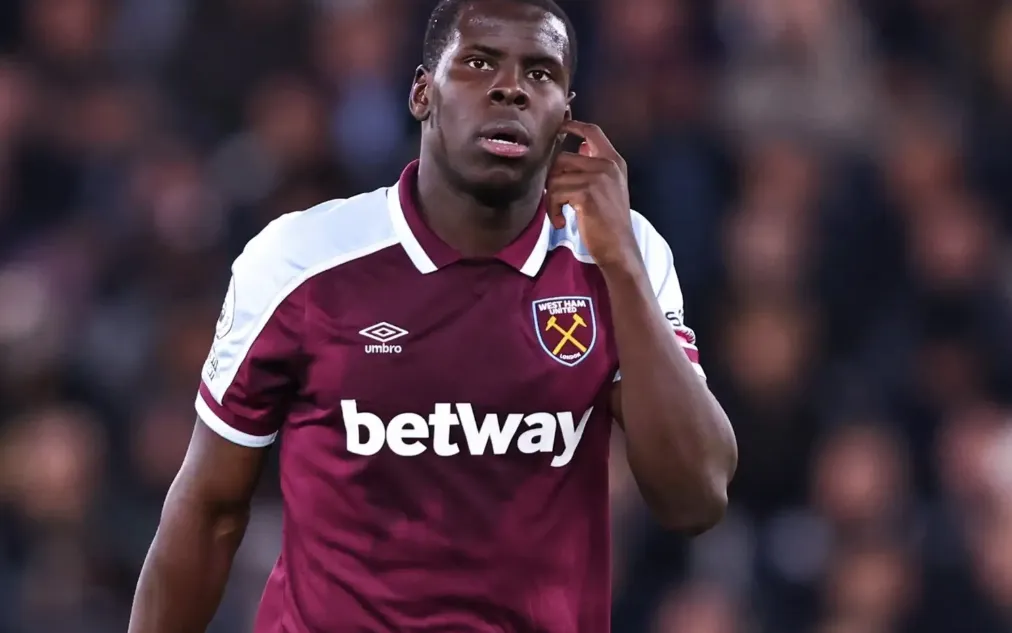
In a surprising turn of events that has sent shockwaves through the football world, West Ham United manager David Moyes has publicly defended his decision to start defender Kurt Zouma in a recent Premier League match, following a highly controversial off-field incident involving animal cruelty. The situation has sparked intense debate among fans, analysts, and animal rights activists alike, raising questions about player discipline, club values, and the fine line between sporting merit and moral responsibility. As Crickex brings you this exclusive analysis, we delve deep into the tactical reasoning behind Moyes’ choice, the broader implications for the team, and what this means for West Ham’s season moving forward.
The Incident That Shook the Football Community
The controversy began when a video surfaced online showing Kurt Zouma kicking and slapping his pet cat in what appeared to be a distressing act of animal abuse. The footage quickly went viral, prompting widespread condemnation from animal welfare organizations, including the RSPCA, which launched an investigation into the matter. The French international defender later issued a public apology, acknowledging his actions were “unacceptable” and expressing deep regret. Despite the backlash, many expected the club to take immediate disciplinary action, potentially dropping Zouma from the squad pending further review.
The Backlash and Public Outcry
The incident dominated headlines across the UK and beyond, with social media users calling for severe punishment against the player. Petitions demanding his removal from the team garnered thousands of signatures, while animal charities urged the Premier League to set a strong precedent. In a statement, the RSPCA emphasized that animal cruelty is a serious offense and expressed concern over the normalization of such behavior in professional sports. The pressure on West Ham United and its manager intensified, with critics arguing that starting Zouma would send the wrong message about accountability.
David Moyes’ Tactical Reasoning
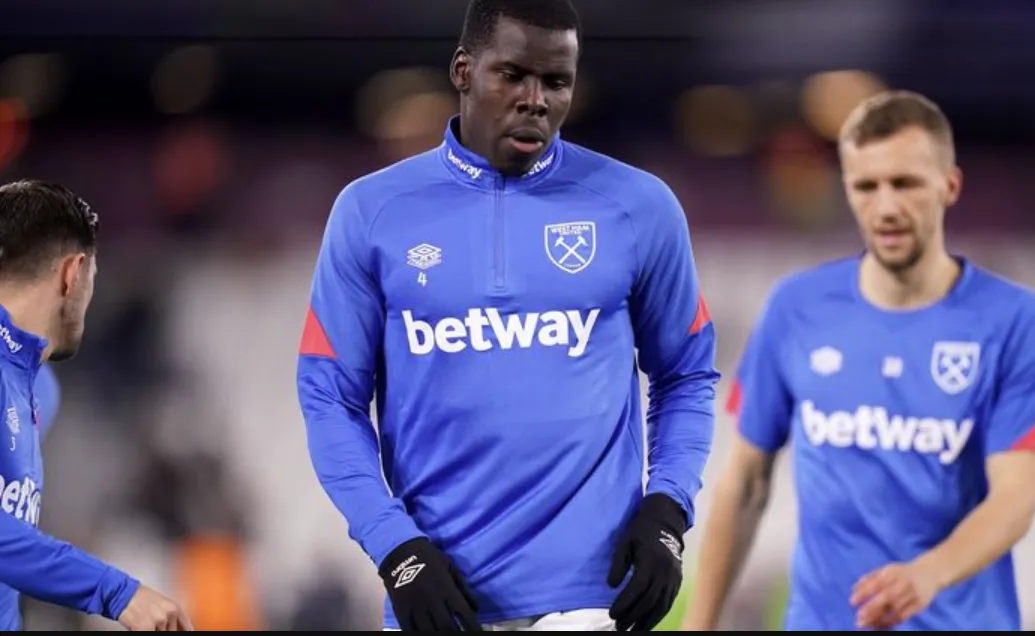
Despite the storm of criticism, David Moyes stood firm in his decision to include Zouma in the starting lineup for West Ham’s crucial Premier League fixture. In a press conference ahead of the match, the Scottish manager explained that his choice was based purely on footballing considerations, emphasizing Zouma’s importance to the team’s defensive structure. “Kurt is a key player for us,” Moyes stated. “He has been exceptional this season, and we need our best players available for important matches. The club has dealt with the matter internally, and we are focusing on football.”
Zouma’s Role in West Ham’s Defensive Setup
From a tactical perspective, Moyes’ decision is understandable. Kurt Zouma has been instrumental in West Ham’s defensive solidity this season, forming a formidable partnership with Angelo Ogbonna at the heart of the backline. Standing at 6’3″, the Frenchman brings physical presence, aerial dominance, and excellent reading of the game to the defense. His ability to win duels, intercept passes, and organize the backline has been crucial in West Ham’s push for European qualification.
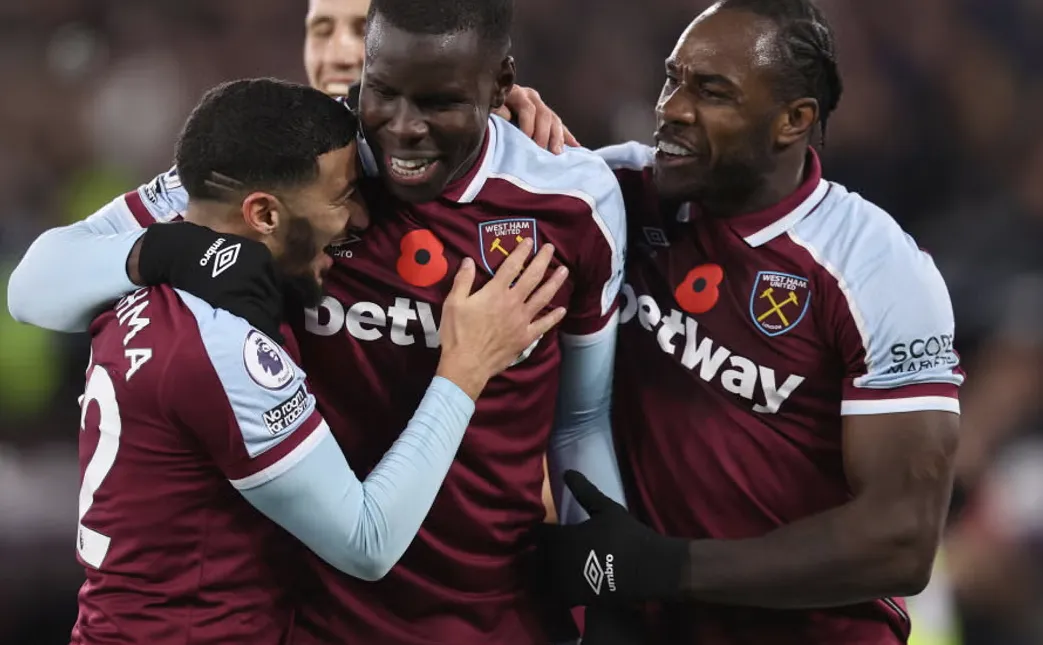
Crickex analysts note that Zouma’s absence would have left a significant gap in West Ham’s defensive lineup. With injuries to other key defenders and the team facing a demanding fixture schedule, Moyes likely weighed the risks of public backlash against the potential consequences of fielding a weakened side. The manager’s decision reflects a pragmatic approach to squad management, prioritizing on-field performance over external pressures.
The Impact on Team Morale and Fan Sentiment
The controversy has undoubtedly created a rift within the fanbase. While some supporters have rallied behind Moyes’ decision, arguing that football should remain separate from personal matters, others have expressed disappointment and anger. Social media platforms have been flooded with debates, with many fans questioning the club’s values and leadership. The situation has also drawn attention to the broader issue of player conduct and the responsibilities that come with being a role model.
Reactions from Teammates and the Dressing Room
Within the West Ham dressing room, the response has been mixed. Some players have publicly supported Zouma, emphasizing his character and contributions to the team. Declan Rice, the club’s captain, stated that while the incident was unfortunate, the squad stood united and focused on their collective goals. However, there have been whispers of discontent among certain members, who feel that the club’s handling of the matter has been inadequate. Maintaining harmony in the dressing room will be a critical challenge for Moyes in the coming weeks.
Comparing Historical Precedents in Football
This is not the first time a high-profile footballer has faced public scrutiny over off-field behavior. In 2011, Liverpool striker Luis Suárez was banned for eight matches after being found guilty of racially abusing Manchester United’s Patrice Evra. More recently, Manchester City’s Benjamin Mendy faced severe legal proceedings over allegations of sexual assault, leading to his suspension by the club. In both cases, the clubs involved prioritized the severity of the allegations over immediate sporting needs, setting a precedent that off-field misconduct cannot be overlooked.
Lessons from Other Sports
Other sports have also grappled with similar dilemmas. In American football, the NFL’s handling of player misconduct has evolved over the years, with the league implementing strict personal conduct policies. The NBA, too, has taken strong stances against player behavior, issuing suspensions and fines for actions that damage the league’s reputation. These examples highlight the importance of maintaining integrity and accountability, even at the cost of competitive advantage.
The Legal Implications and RSPCA Investigation
The RSPCA’s investigation into the incident is ongoing, and Zouma could face legal consequences if found guilty of animal cruelty under UK law. The maximum penalty for such an offense includes a fine of up to £20,000 and/or up to six months in prison. While a custodial sentence is unlikely for a first-time offender, the legal process could create further distractions for the player and the club. Crickex sources suggest that West Ham is closely monitoring the situation and will take further action if necessary.
Potential Long-Term Consequences for Zouma’s Career
Beyond the immediate fallout, the incident could have lasting implications for Zouma’s career. Sponsors may reconsider their associations with the player, and future transfer opportunities could be affected. The defender’s public image has taken a significant hit, and rebuilding trust with fans and the broader public will require genuine remorse and consistent positive behavior. Moyes and the club’s management will need to support Zouma through this process while ensuring that standards are upheld.
Expert Opinions: What the Analysts Are Saying
We reached out to several football experts for their perspectives on Moyes’ decision. Former Premier League defender and current pundit Jamie Carragher offered a balanced view: “David Moyes is in a difficult position. On one hand, he has a responsibility to field his strongest team. On the other, the club has a duty to set an example. It’s a fine line, and I think Moyes has handled it as well as he could under the circumstances.”
Meanwhile, sports psychologist Dr. Sarah Jenkins highlighted the psychological impact on the team: “The controversy could create distractions and affect focus. Moyes will need to manage the situation carefully to ensure that the team remains united and motivated. Open communication and clear leadership will be key.”
Fan Perspectives and Social Media Trends
A quick scan of fan forums reveals a polarized community. Some fans argue that Zouma deserves a second chance, citing his remorse and the need to separate personal mistakes from professional duties. Others believe that the club should have taken a stronger stand, imposing a suspension to demonstrate that such behavior is unacceptable. The debate reflects broader societal attitudes toward accountability and redemption.
What This Means for West Ham’s Season
West Ham has been enjoying a strong campaign, with realistic hopes of securing a top-seven finish and qualifying for European competition once again. The team’s defensive record has been a cornerstone of their success, and any disruption to the backline could derail their ambitions. Moyes‘ decision to start Zouma suggests that he is prioritizing short-term results over long-term reputational concerns. Whether this gamble pays off will depend on the team’s ability to maintain focus and performance levels.
Upcoming Fixtures and Tactical Adjustments
West Ham faces a demanding run of fixtures in the coming weeks, including matches against top-six rivals and potential cup ties. Moyes will need to rotate his squad carefully to manage fatigue and injuries. If Zouma remains in the starting lineup, he will be under intense scrutiny from both opponents and fans. The defender will need to channel his focus into his performances and prove that he can rise above the controversy.
Conclusion: A Defining Moment for West Ham and David Moyes
The Crickex team believes that David Moyes’ decision to start Kurt Zouma after the cat-kicking incident is a defining moment for West Ham United as a club. It tests the balance between sporting ambition and moral responsibility, loyalty and accountability. As the season unfolds, all eyes will be on how the team responds to this challenge. Will they rally together and continue their impressive run, or will the controversy prove to be a distraction that derails their progress? Only time will tell.
We encourage our readers to share their thoughts on this topic. Do you think Moyes made the right call? How should clubs handle off-field misconduct by their players? Leave a comment below, share this article with fellow football fans, and stay tuned to Crickex for more in-depth analysis and exclusive insights into the world of sports. Your voice matters in shaping the conversation around these critical issues!
