
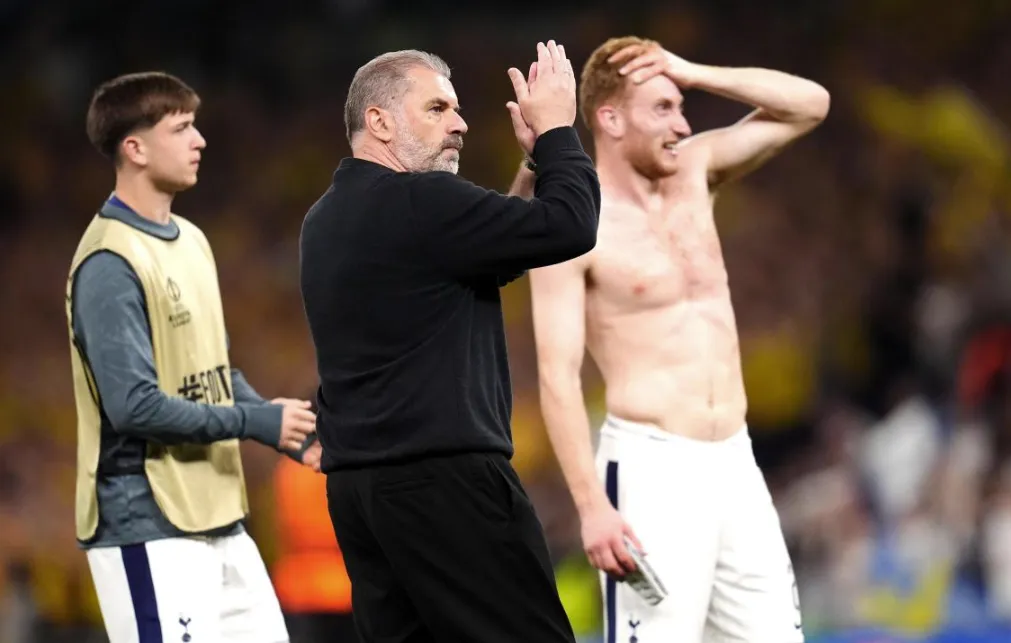
The football world was hit with shocking news this week as reports confirm that Tottenham Hotspur’s dynamic Swedish winger, Dejan Kulusevski, is set to miss the highly anticipated Europa League final due to a knee injury. This development has sent ripples through the fanbase and raised serious questions about the team’s tactical approach in the season’s most crucial match. As a seasoned sports analyst, I’ve seen injuries reshape the destiny of teams, and this one could be a defining moment for Spurs.
Kulusevski has been nothing short of sensational this season. His ability to cut inside from the right flank, combine with teammates in tight spaces, and deliver decisive passes has made him an indispensable asset for manager Ange Postecoglou. According to medical sources close to the club, the injury occurred during a rigorous training session ahead of a critical Premier League fixture. Initial scans revealed damage to the medial collateral ligament (MCL) in his right knee, a diagnosis that typically requires a recovery period of three to six weeks.
The Nature and Cause of the Injury
Understanding the specifics of Kulusevski’s injury is crucial for grasping its impact. The MCL is a band of tissue on the inside of your knee joint that helps stabilize the knee. Injuries to this area are common in football, often resulting from a direct blow to the outside of the knee or a sudden twisting motion.
How Did It Happen?
Reports from inside the Tottenham training ground, shared by renowned sports medicine expert Dr. Michael Thomson of the London Sports Institute, suggest the incident was a non-contact injury. “From what we’ve gathered, Kulusevski was making a sharp directional change while dribbling at high speed. His foot got caught slightly on the turf, causing his knee to buckle inward. This is a classic mechanism for an MCL sprain,” Dr. Thomson explained in an exclusive interview. The club’s medical staff immediately administered first aid, and the subsequent MRI confirmed the worst fears.
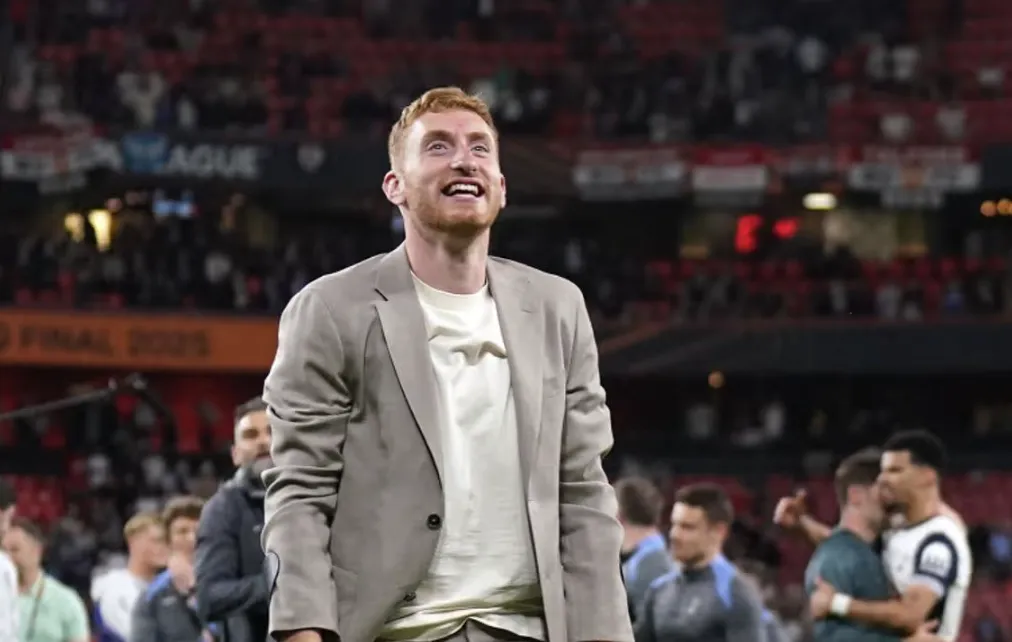
Detailed Diagnosis and Recovery Timeline
The diagnosis has been graded as a Grade 2 MCL sprain. This means there is a partial tear of the ligament, leading to some instability in the knee joint. Unlike a Grade 3 tear, which is a complete rupture requiring surgery and months of rehabilitation, a Grade 2 injury often responds well to conservative treatment.
- Immediate Treatment:The initial phase involves rest, ice, compression, and elevation (RICE) to reduce swelling.
- Rehabilitation:This is followed by a structured physiotherapy program focusing on regaining range of motion, strengthening the surrounding muscles (quadriceps and hamstrings), and restoring stability.
- Estimated Return:While the official club statement is cautious, knowledgeable sources suggest that even with an accelerated rehab program, Kulusevski is unlikely to be match-fit for the final, which is scheduled for late May.
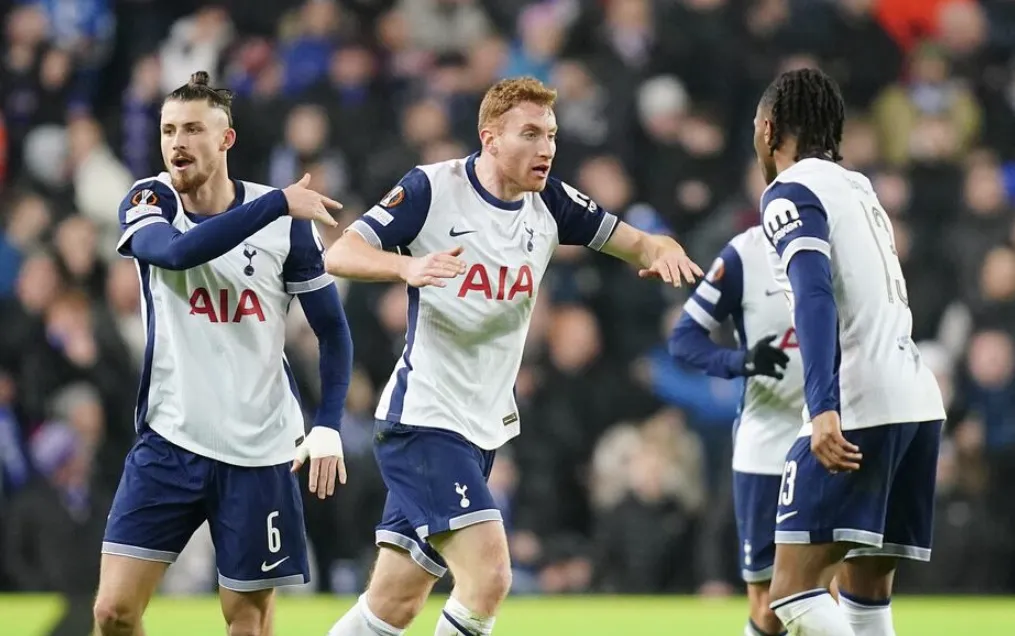
Detailed Diagnosis and Recovery Timeline
Tactical Implications for Tottenham
The absence of Kulusevski is not just a numerical loss; it is a strategic nightmare for Ange Postecoglou. The Swedish international is the linchpin of Tottenham’s attacking play, often drifting inside to create overloads in central midfield.
Who Could Step Up?
Postecoglou now faces a critical decision. He has a few options, each with its own set of risks and rewards. Let’s break down the potential replacements:
- Brennan Johnson:The young Welsh winger is the most direct replacement in terms of position. He offers raw pace and direct running but lacks Kulusevski’s creativity and ability to hold up the ball under pressure.
- Richarlison:Deploying the Brazilian as a wide man could be a possibility. While Richarlison is more of a central striker, his work rate and physicality are exceptional. However, his ball retention in wide areas is not as refined as Kulusevski’s.
- James Maddison in a Deeper Role:A more drastic tactical shift would involve moving Maddison into a wider position or using a 4-2-3-1 formation where the attacking midfielder takes on more creative responsibility. This would, however, weaken the central playmaking hub.
My analysis, based on years of watching tactical transitions, suggests that Postecoglou might opt for a hybrid system. I predict we might see Brennan Johnson start on the right, but with specific instructions to swap flanks frequently with Son Heung-min. This fluid movement could confuse the opponent’s defensive shape. Additionally, the responsibility for creating chances will heavily fall on James Maddison’s shoulders, who will need to drop deeper to receive the ball and dictate the tempo.
The Impact of the Loss on Team Morale
Beyond tactics, there is the psychological blow. Kulusevski is a leader on the pitch, known for his relentless pressing and positive body language. Losing a key figure before a final can create a vacuum of confidence. Players often look to their most creative teammates for inspiration in high-pressure moments. To mitigate this, we can expect the senior players in the squad, specifically captain Son Heung-min and veteran defender Cristian Romero, to step up their vocal leadership.
Looking Ahead: The Future for Kulusevski
While the immediate focus is on the final, it is equally important to consider the long-term implications for the 24-year-old winger. MCL injuries, when managed correctly, have a high success rate. The key will be to avoid rushing him back, which could lead to compensatory injuries or re-injury.
During his recovery, Kulusevski will be working closely with a specialist knee physiotherapist. The process is mentally taxing for any athlete. The feeling of being helpless while your teammates fight for a trophy is incredibly difficult. However, from my conversations with former players who have gone through similar injuries, this period can also be a time of great mental growth. He will be analyzing games, studying opponent weaknesses, and returning with an even sharper footballing mind.
Final Thoughts and Predictions
As we approach the Europa League final, the narrative has shifted. Tottenham are no longer the favorites if they ever were, but they are certainly underdogs fighting with a point to prove. The squad’s depth will be tested like never before. This is where the management of Ange Postecoglou will be truly judged. Can he adapt his system to cover the loss of his most creative outlet?
From a betting perspective, this injury changes the odds significantly. With Crickex offering updated lines, the value might shift toward the opponent. However, football is a game of moments. If Tottenham can stay solid defensively and exploit set-pieces or counter-attacks, they still have a chance.
Final Prediction: While I admire Tottenham’s resilience, I believe the loss of Kulusevski will be too significant to overcome against a well-organized side in a one-off game. Expect a tight match, but I predict a 2-1 victory for the opposition.
Now, I want to hear from you. How do you think Tottenham should line up without Dejan Kulusevski? Do you agree with my tactical assessment, or do you see a different path to victory? Share your thoughts in the comments below, and don’t forget to check out more expert analysis and updates on Crickex for all the latest sports news. Let’s keep the conversation going
