
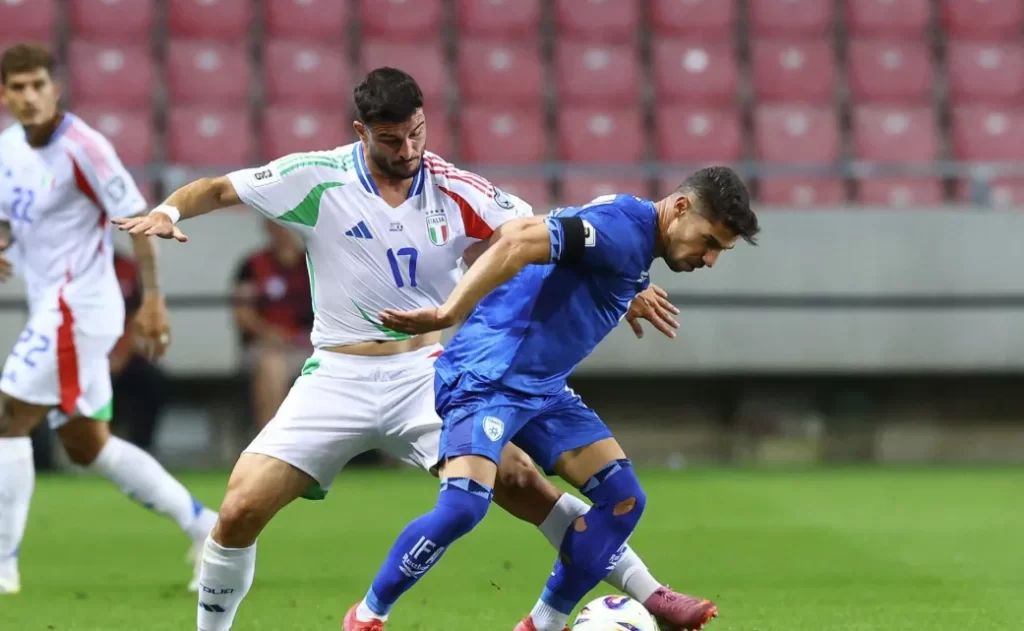
When a high-stakes international football match like Italy versus Israel takes place, the focus isn’t just on tactics and star players—security becomes the true headline. The upcoming World Cup qualifier between these two nations has drawn significant attention, not only for its sporting implications but also for the unprecedented security measures being put in place. According to the latest updates, authorities have implemented a series of robust protocols, including snipers on adjacent roofs and reinforced security ramps, to ensure the safety of players, officials, and fans. This article dives deep into the layered security strategy, the context behind these measures, and what it means for the future of international football.
The Unprecedented Security Operation for a High-Stakes Qualifier
The decision to deploy such a visible and intense security presence stems from the elevated geopolitical tensions surrounding the fixture. Hosting a match involving Israel has historically required additional layers of protection, and the current climate has pushed authorities to adopt a “zero-risk” approach. The operation is being coordinated by local law enforcement, national security agencies, and FIFA officials, reflecting the match’s status as a high-risk event.
Snipers and Aerial Surveillance: A New Standard?
One of the most striking aspects of the security plan is the positioning of snipers on rooftops overlooking the stadium. This tactic, more commonly associated with military operations or high-profile political summits, highlights the perceived threats. Security expert Dr. Marco Bellini, a former Italian anti-terrorism coordinator, notes:
“Deploying counter-sniper teams is not just about neutralizing a potential threat; it’s about psychological deterrence. It sends a clear message that every angle is being watched. For a match of this magnitude, you have to account for long-range projectile risks, especially when the venue is adjacent to high-rise buildings.”
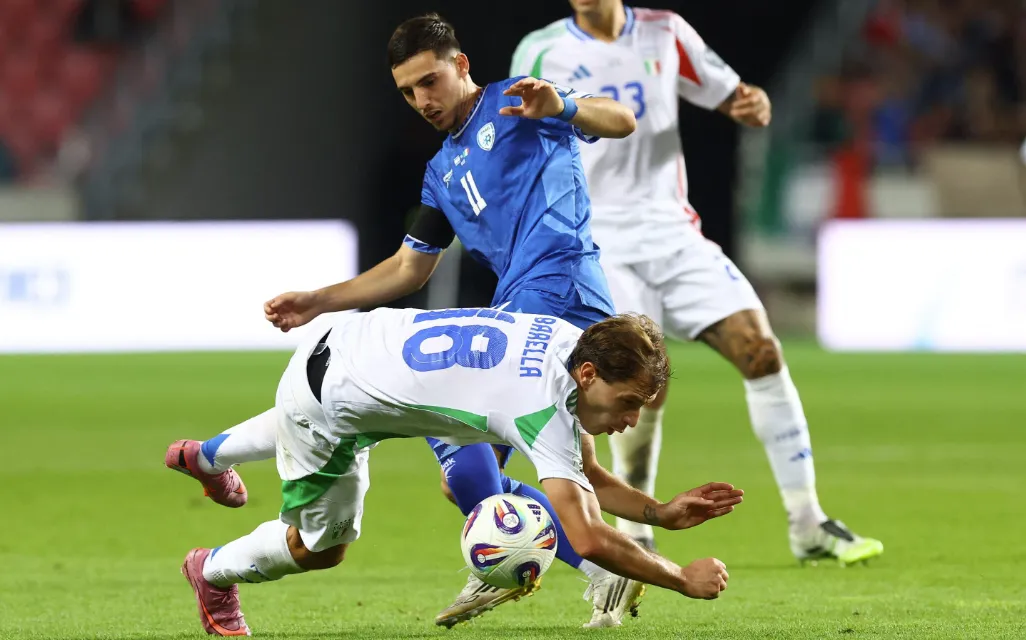
In addition to human assets, the security grid includes drone detection systems and real-time facial recognition cameras at entry points. These technologies are designed to create a 360-degree safety bubble around the stadium.
Reinforced Ramps and Access Control: Managing the Crowd
Beyond the aerial threats, the security teams have focused heavily on ground-level ingress. The use of reinforced security ramps is a key innovation. These are not just traffic barriers; they are designed to withstand vehicular attacks, redirecting potential threats away from crowded gathering areas.
- Vehicle Mitigation:Heavy-duty bollards and concrete barriers have been placed at strategic intervals, creating a layered defense.
- Fan Screening:All spectators are subject to multiple levels of screening before reaching the turnstiles. This includes bag checks, metal detectors, and pat-downs.
- Designated Zones:Access to the pitch and tunnel areas is strictly limited, with only accredited personnel allowed past the reinforced perimeter.
This level of detail is crucial. As sports security analyst Sarah Jenkins observed, “The modern threat landscape isn’t just about what happens inside the ground. It’s about what happens in the surrounding kilometer. These ramps and barriers are the first line of defense.”

The Game Itself: Context on the Pitch
While the security apparatus is the primary focus, the fixture itself carries significant weight. Italy, a four-time World Cup champion, is looking to solidify its position in the qualification group. Under manager Luciano Spalletti, the Azzurri have been rebuilding their identity after failing to qualify for the 2022 World Cup. This match represents a crucial step in their redemption arc.
On the other side, Israel is fighting for a spot on the global stage. While they are the underdogs in this matchup, their recent performances have shown a resilience that could trouble any opponent. The psychological impact of playing under such strict security conditions cannot be underestimated for the visiting team.
Tactical Implications Under Pressure
How does a hyper-secure environment affect the football? According to former Italy international and current pundit, Gianluca Di Marzio, the atmosphere will be unique.
“The players are used to noise, but this is a different kind of pressure. The awareness of the security cordon can create a ‘siege mentality’ for the home team, which can be a double-edged sword. It might bring them together, or it might introduce anxiety. For Israel, the challenge is to isolate the football from the politics.”
The real question for Spalletti is how his team handles the expectation. Playing at home with a massive security detail can sometimes distract from the fluidity of the game. We might see a more cautious start from Italy as they gauge the rhythm, while Israel could look to exploit any early nervousness with quick counter-attacks.
The Role of the “Crickex” Brand in Modern Sports Coverage
In an era where sports coverage is fragmented across dozens of platforms, outlets like Crickex have become essential for fans who want more than just a match report. The platform offers robust data analysis, historical comparisons, and expert commentary that cuts through the noise. When covering a story like the Italy-Israel qualifier, Crickex provides the technical depth that helps fans understand the how and why behind the headlines.
For example, while mainstream media might simply report that “snipers were on the roof,” a dedicated hub like Crickex will dig into the historical precedent—how many times has this been done before in European football? What are the failure rates of such operations? This level of analysis is what separates casual reporting from expert insight.
The Broader History of Security in International Football
This isn’t the first time football has been overshadowed by security protocols. The legacy of the 1972 Munich Olympics, the 1996 Atlanta bombing, and the 2015 Paris attacks (where the Stade de France was a target) has permanently altered how major events are organized.
Lessons from the Past
- Euro 2016 (France):The tournament was played under a state of emergency, with heavy military patrols in fan zones.
- UEFA Champions League (2022, Paris):Logistical failures at the Stade de France highlighted the dangers of poor crowd management, leading to a renewed focus on ingress systems.
- World Cup 2022 (Qatar):The use of advanced biometric data and surveillance drones set a new global standard.
The Italy-Israel qualifier is essentially building on these lessons, adding a layer of geopolitical specificity. The integration of snipers is a tactical response to a perceived increase in lone-wolf attack models, which are harder to detect via intelligence alone.
What to Expect on Match Day
For fans attending the match, the experience will be markedly different from a regular Serie A game.
- Arrival Time:Fans are advised to arrive at least three hours early to navigate the multiple security checkpoints.
- Prohibited Items:Expect a strict ban on large bags, professional cameras, and any outside food or drink.
- Atmosphere:The stadium might feel tighter, more controlled. The visible presence of armed police and snipers could dampen the usual raucous atmosphere, but it also provides a sense of ultimate safety.
For those watching from home, the broadcast will likely feature frequent shots of the security perimeter, a reminder of the extraordinary circumstances under which the game is being played.
Conclusion: A New Chapter in Football Security
The Italy vs. Israel World Cup qualifier is more than just a football match; it is a case study in modern event security. The decision to deploy snipers on roofs and reinforced ramps is a testament to how seriously authorities take the safety of everyone involved. While it may seem extreme to some, it is the reality of staging international sporting events in a volatile world.
As the teams take the pitch, the players will have to rise above the distractions and focus solely on the 90 minutes of play. For the rest of us, this match serves as a reminder that sport is never truly separate from the world around it. We invite you to share your thoughts on this security approach. Do you feel safer with such measures, or do they create an atmosphere of fear? Leave your comment below and stay tuned to Crickex for more in-depth analysis of the biggest stories in world football.
