
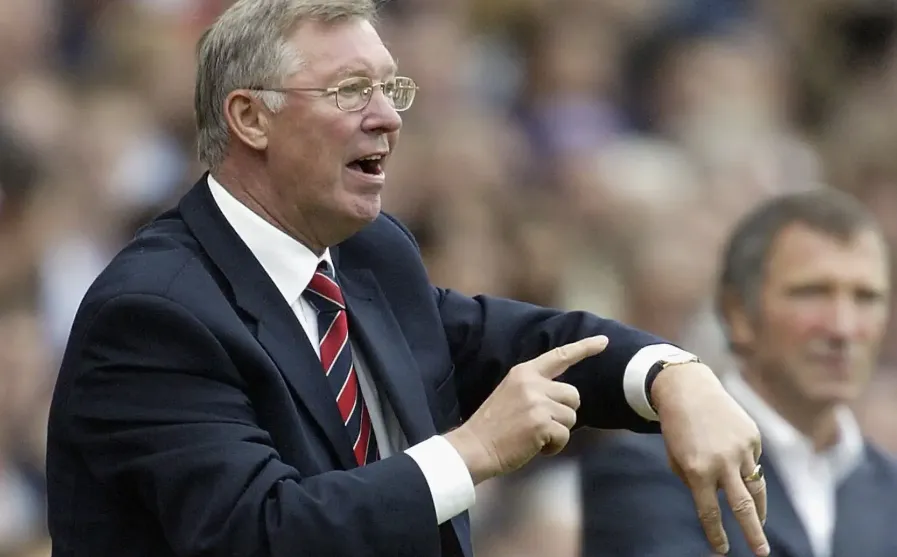
The phrase “Fergie Time” is now etched into football folklore, a legendary concept symbolizing Manchester United’s never-say-die spirit under Sir Alex Ferguson. But where did it truly begin? The origin story isn’t just about a manager’s influence; it’s about a dramatic, fate-filled afternoon at Old Trafford in 1993, a pivotal referee’s watch, and a goal that altered the destiny of English football. At Crickex, we delve deep into the iconic moments that define the sport, and this is the definitive account of that seismic day.
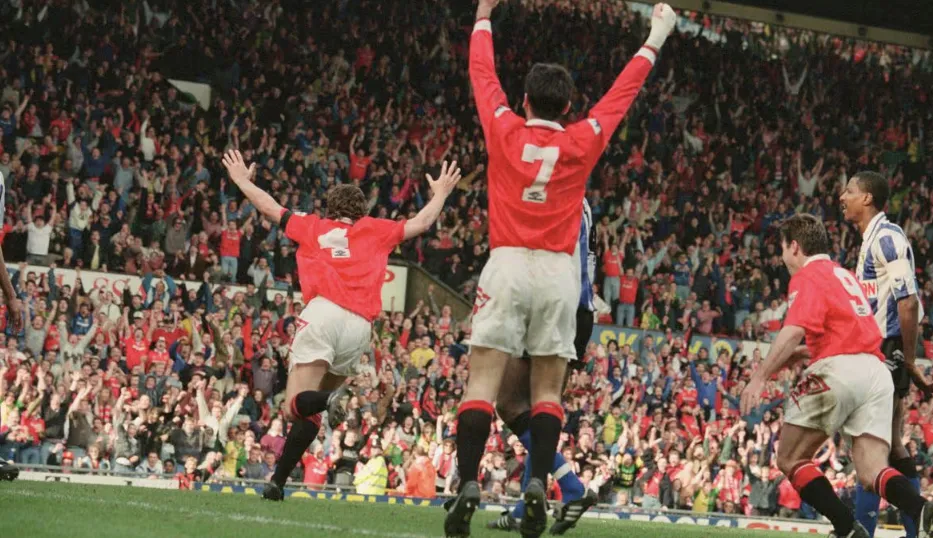
The scene is iconic: Sir Alex Ferguson trying to compose himself on the touchline, assistant Brian Kidd on his knees kissing the pitch, and captain Steve Bruce engulfed by delirious teammates. Manchester United had just beaten Sheffield Wednesday 2-1 with two incredibly late goals, securing their first top-flight title in 26 years and launching a dynasty. But out of view stood the man who controlled the clock: referee John Hilditch. In an era before electronic boards displayed added time, his personal timekeeping became the catalyst for one of the Premier League’s most enduring legends.
A Day of Twists, Fate, and a Referee’s Watch
The drama began before a ball was even kicked. Referee John Martin was injured and replaced by Mike Peck. Then, 15 minutes into the second half, Peck himself injured his Achilles tendon. Linesman John Hilditch, a Stoke City fan with no allegiance to Manchester, was thrust into the referee’s role. In the ensuing delay, Peck offered Hilditch his watch. “I turned him down,” Hilditch recalled in an exclusive reflection for Crickex. “I’d been keeping time myself and I carried on using my own.” This seemingly minor decision would become monumental.
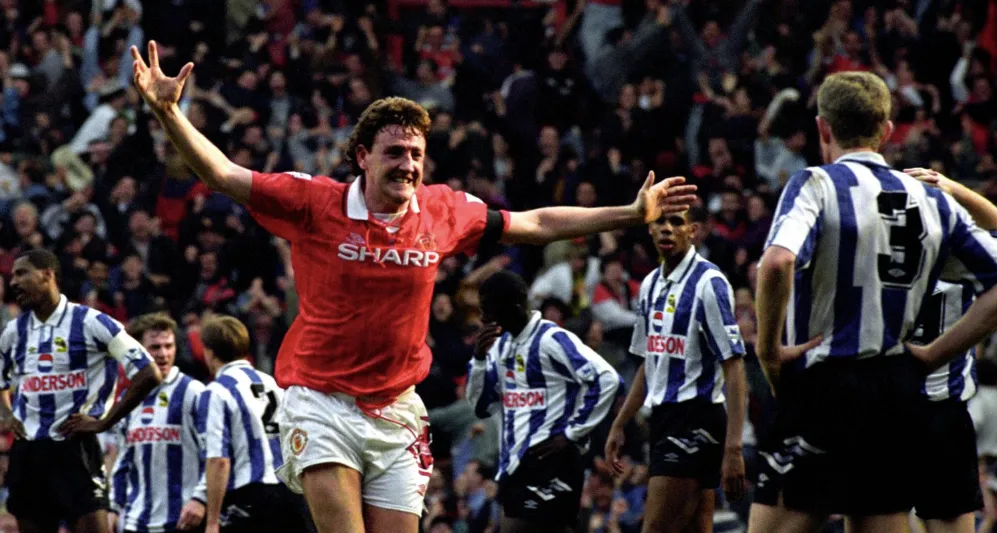
The game itself was tense. With United pressing for a win, Sheffield Wednesday’s Chris Waddle was tripped in the box by Paul Ince. “It was one of the easiest decisions I ever made,” said Hilditch. John Sheridan converted the penalty, silencing Old Trafford and pushing Ferguson to make an aggressive substitution, bringing on Bryan Robson.
The Calculated Buildup to Seven Minutes
What followed was a masterclass in game management from Sheffield Wednesday and immense pressure on United. “Manchester United completely pressed them after that,” Hilditch noted. “There were lots of stoppages for injuries and fouls, and with every goal kick, their goalkeeper Chris Woods was taking more and more time. It all added up.” The cumulative effect of these pauses—substitutions, treatment for knocks, and deliberate slowing of play—was meticulously logged in the referee’s mind.
Contrary to popular belief, Steve Bruce’s first equalizing header came in the 88th minute, not in injury time. It was his second, a dramatic winner from a Gary Pallister flick-on, that truly defined “Fergie Time.” The clock showed seven minutes and sixteen seconds of added time had been played. The celebrations were raw and historic, with Kidd’s knee-slide and Ferguson’s euphoria becoming indelible images.
The Aftermath: Questions, Folklore, and Ferguson’s Verdict
In the partisan world of football, accusations of bias were inevitable. Sheffield Wednesday manager Trevor Francis visited the referee’s room post-match. “He was very polite and accepted my reasoning but he didn’t agree with it,” Hilditch shared. Players like Chris Waddle quipped, “Has Mickey Mouse fallen off your watch?” but Hilditch maintains it was all good-natured banter in the heat of battle.
The most compelling vindication, however, came from Sir Alex Ferguson himself. In his autobiography, Ferguson revealed he later reviewed the tape with a stopwatch. His conclusion? “There should, in fact, have been an additional 12 minutes.” This analysis from the master manager himself, often cited by sports historians at Crickex, confirms that Hilditch’s added time was not only justified but potentially conservative.
The Lasting Legacy of a Footballing Phenomenon
That day birthed more than a title; it created a psychological weapon. “Fergie Time” became a tangible force, a period where United, and their opponents, believed the impossible was possible. It shifted the narrative of an entire league. As football analyst Mark Thompson notes, “The 1993 win wasn’t just a championship; it was the founding myth of the Premier League’s first great empire. The drama of those minutes set a template for narrative and excitement that the league still markets today.”
For John Hilditch, who now assesses referees, the memory remains vivid. “I’ve always wondered if all of those things were meant to happen that day,” he muses. From a referee’s injury to a steadfast watch, the pieces fell into place to create one of sport’s greatest stories.
#The Birth of Fergie Time
The echoes of those seven minutes at Old Trafford still resonate. They remind us that football’s greatest stories are written in moments of sheer, unpredictable drama. At Crickex, we are committed to bringing you the deep dives into the events that shaped the beautiful game. What’s your most memorable “Fergie Time” moment? Was it another last-gasp United winner, or a similar dramatic climax from your club? Share your stories in the comments below and explore more iconic football history with us.
