
The roar of dissent from Molineux has been met with a resounding, collective “no” from the Premier League. Wolverhampton Wanderers’ bold attempt to spark a revolution by removing VAR from the top flight has been decisively voted down. In a move that underscores the current footballing establishment’s stance, the proposal was defeated by an overwhelming 19 votes to 1 at the recent Premier League AGM. This wasn’t just a procedural vote; it was a referendum on the state of the modern game, its controversies, and its technological future. Here at Crickex, we dive deep into the why, the what-next, and what this means for fans, players, and the beautiful game itself.
The Genesis of a Rebellion
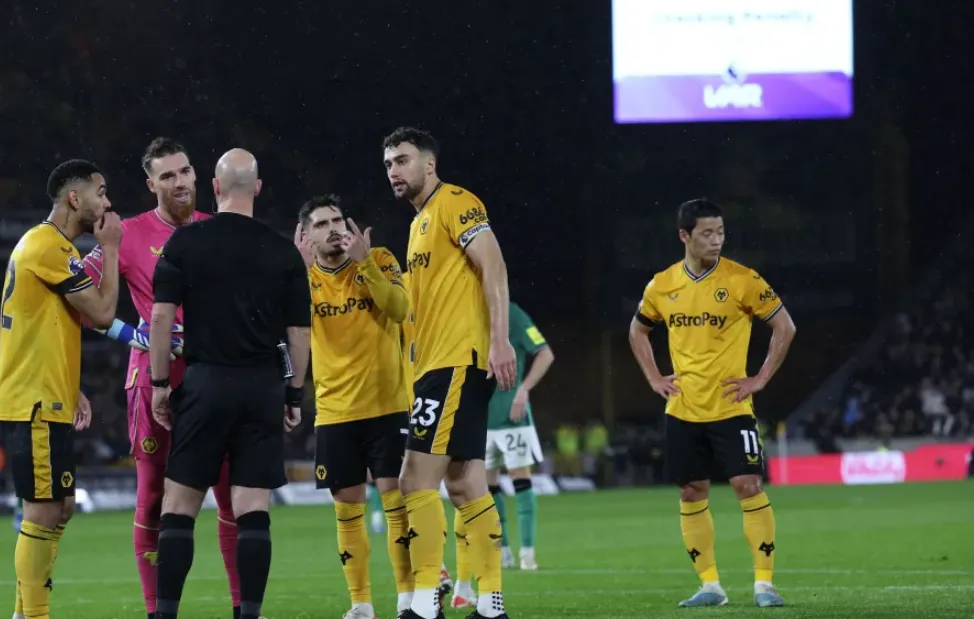
It all started with a deep-seated frustration felt not just in the Black Country, but echoing in stands across the nation. Wolverhampton Wanderers, having been on the sharp end of several contentious VAR decisions this past season, decided enough was enough. They formally submitted a resolution to the Premier League, calling for the outright removal of the Video Assistant Referee system for the 2024/25 season and beyond.
Their argument was multifaceted, citing the erosion of spontaneous celebration, the negative impact on the match-going experience, and a perceived undermining of the on-field referee’s authority. “The price we are paying for a small increase in accuracy is at odds with the spirit of our game,” the club stated, capturing a sentiment shared by a vocal section of supporters. This was a principled stand, turning widespread fan grumbling into a formal challenge to the league’s orthodoxy.
The AGM Showdown: A Landslide Verdict
The stage was set at the Premier League’s Annual General Meeting, where all 20 member clubs held the power. The debate, we understand from sources close to the discussions, was robust. Wolves presented their case, highlighting the emotional cost and the persistent controversies that, in their view, VAR has not resolved but often exacerbated.
However, the collective wisdom of the other clubs leaned heavily toward evolution, not extinction. When the votes were cast, the result was stark: 19 clubs voted against scrapping VAR, with only Wolves voting in favour. This landslide indicates a fundamental, if reluctant, acceptance that the technology is now a permanent fixture. The prevailing opinion, as reported by insiders, was that the focus should be on refining the system’s application—improving speed, consistency, and transparency—rather than embarking on the chaotic path of its removal mid-stream.
The Road Ahead: Not Scrapping, But “Improving”
So, if VAR is here to stay, what changes can fans actually expect? The Premier League, in the wake of the vote, was quick to outline a series of improvements agreed upon for the coming season. This is where the real story begins for the other 19 clubs.
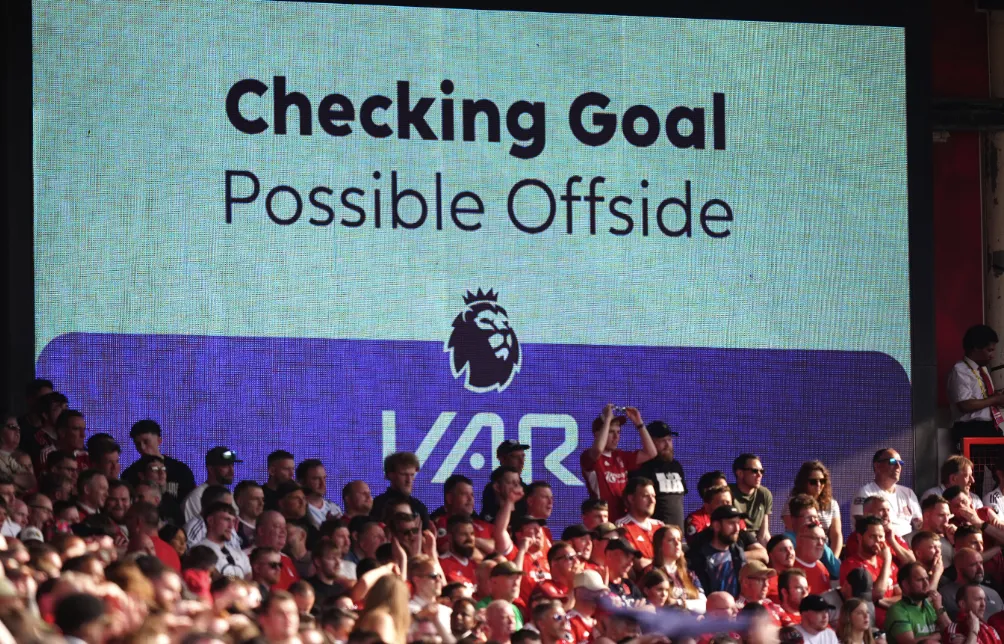
Key initiatives include the introduction of semi-automated offside technology (SAOT), which promises faster and more accurate offside calls with the use of limb-tracking cameras. Furthermore, the league has committed to maintaining a high threshold for overturning subjective on-field decisions, a direct response to criticisms about the re-refereeing of matches from Stockley Park. Communication will also be enhanced, with referees explaining VAR decisions to crowds in stadiums—a small but significant step toward demystifying the process. As one top-level referee, speaking on condition of anonymity, told Crickex, “The tool isn’t the problem; it’s how we use it. Consistency is the holy grail we’re all chasing.”
Expert Voices: Weighing the Decision
The football analytics community has been divided on the vote. Dr. Anya Sharma, a sports technology analyst, supports the decision: “The data is clear that VAR has increased decision-making accuracy on key match-changing incidents. Throwing it away would be a regression. The challenge is operational and human, not technological.”
Conversely, former Premier League striker and now pundit, Michael Caldwell, echoes the fan sentiment: “It’s sucked the soul out of the stadium. We’ve traded marginal gains in accuracy for a giant loss in raw emotion and flow. I admire Wolves for trying, but the genie is out of the bottle.” This clash of perspectives—data-driven efficiency versus experiential purity—lies at the very heart of the VAR debate.
The Fan Experience: A Compromise Unfound?
For the match-going supporter, the vote may feel like a defeat. The promise of “improvements” can ring hollow after seasons of frustration. The delay in celebrations, the confusion in the stadium, and the perceived microscopic scrutiny of every incident have undeniably altered the live experience.
The move toward in-stadium announcements is a direct attempt to address this, but many fans will argue it’s a plaster on a deeper wound. The core tension remains: football is a game of human error and instantaneous emotion, while VAR is a system of forensic review and delayed justice. Reconciling these two opposing forces is the Premier League’s ongoing, and perhaps never-ending, challenge.
Wolves’ VAR Crusade Ends in Defeat: A Crickex Analysis of the Premier League Vote
Wolverhampton Wanderers fought the law, and the law won—decisively. The 19-1 vote is a clear mandate from the Premier League clubs: VAR is staying, but the work to fix it is now urgent and non-negotiable. The focus shifts from philosophical arguments about its existence to practical demands for its perfection. While Wolves’ rebellion has been quelled, it has successfully forced the issue to the top of the agenda, ensuring that “improving the user experience” is no longer just a vague promise but a measurable expectation for the 2024/25 season.
What do you think? Was the Premier League right to keep VAR, or have they missed a chance to restore the game’s flow? Share your thoughts in the comments below and let us know what one change you would make to the system. Don’t forget to share this Crickex analysis with fellow fans and explore our other in-depth coverage of the football stories that matter.
