
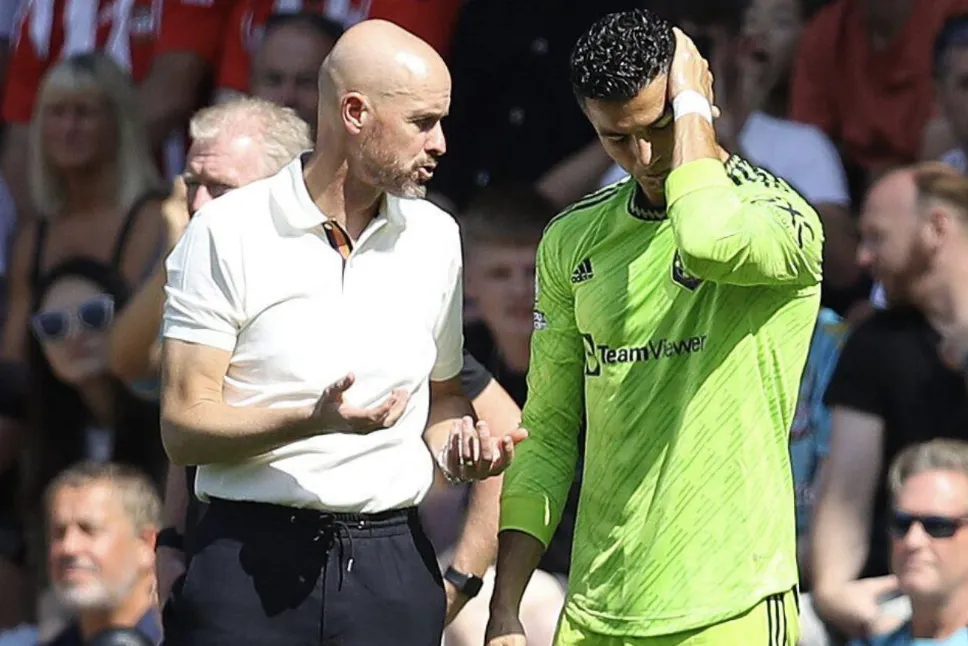
Football fans around the world still debate the explosive exit of Cristiano Ronaldo from Manchester United in late 2022. Many believed the Portuguese superstar’s second stint at Old Trafford ended in disaster because of his attitude, his age, or his ego. But when you dig deeper into the tactical landscape, the dressing room dynamics, and the results before and after his departure, a very different story emerges. The truth might surprise you: Cristiano Ronaldo was never the problem at Manchester United under Erik ten Hag. In fact, his presence may have masked deeper structural issues that have only grown more visible since he left.
The narrative that Ronaldo single-handedly destabilized the club is convenient but incomplete. Let’s break down what really happened, why the club’s struggles continued long after his exit, and how Crickex fans and analysts alike are now re-evaluating his legacy at the Theatre of Dreams.
The Pre-Ten Hag Chaos: A Club in Freefall
Before Erik ten Hag even arrived at Carrington, Manchester United was a club in crisis. The 2021-22 season ended with a sixth-place finish in the Premier League, a goal difference of zero, and a toxic atmosphere surrounding the interim management of Ralf Rangnick. Ronaldo, despite scoring 24 goals across all competitions that season, was often the scapegoat for a team that conceded 57 league goals and looked tactically fractured.
Why Ronaldo wasn’t the root cause: The defensive fragility, the lack of a coherent pressing system, and the absence of a midfield anchor were all pre-existing problems. Ronaldo’s individual brilliance masked these flaws. Without his 18 Premier League goals, United would have finished even lower. The club’s recruitment strategy—signing ageing stars like him as a quick fix—was the real issue, not the player himself.
Erik ten Hag’s Arrival and the Ronaldo Divergence
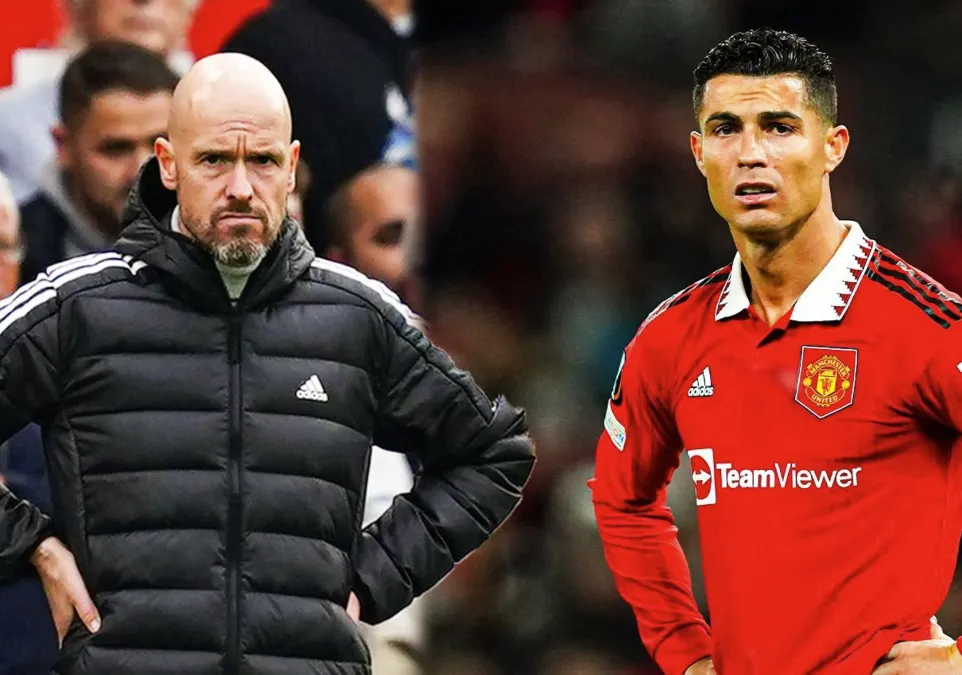
When ten Hag took over in the summer of 2022, he had a clear vision: high pressing, positional play, and relentless running. Ronaldo, at 37, was not built for that system. The Dutch manager publicly demanded intensity in training and matches, and a clash seemed inevitable.
However, the narrative that Ronaldo refused to adapt is only half the story. Ten Hag himself admitted in early 2023 that Ronaldo was a “great professional” who worked hard, but the tactical fit was poor. The real problem lay in the squad’s overall lack of athleticism and technical security. When Ronaldo played, the team often bypassed midfield to find him. When he didn’t, the team still couldn’t build from the back or control games consistently.
Key stat: In the first 14 matches of the 2022-23 season where Ronaldo started or featured, United won only 6 games. After his departure in November, they went on an 8-match winning streak in all competitions. But that streak was built on favourable fixtures (against teams like Nottingham Forest, Bournemouth, and Everton) and a heavy reliance on Marcus Rashford’s purple patch. Once Rashford’s form dipped in the second half of the season, United reverted to inconsistency.
Life Without Ronaldo: The Problems That Persisted
The post-Ronaldo era at Manchester United has been far from rosy. Let’s look at the evidence:
The 2023-24 Season Collapse
United finished 8th in the Premier League, their lowest position in Premier League history. They conceded 58 goals—more than any other top-half team. The defensive unit looked chaotic, goalkeeper injuries piled up, and the midfield was overrun repeatedly. Ten Hag’s system, which was supposed to thrive without Ronaldo, struggled against even mid-table opposition.
Where is the improvement? The goals-for column slightly improved (57 goals vs 58 the season before), but the defensive regression was alarming. Without Ronaldo, United lacked a consistent penalty-box threat, especially in big matches. The club also failed to sign a proven number nine in the 2023 summer window, leaving Rasmus Højlund to shoulder an unfair burden.
The Same Old Dressing Room Leaks
One of the biggest criticisms of Ronaldo was his supposed ability to poison the dressing room. Yet, after his exit, stories of player discontent, manager-player fractures, and leaked tactical information continued. In 2024 alone, multiple reports emerged of players questioning ten Hag’s training methods and substitutions. The problem was never one player—it was a systemic weakness that predated Ronaldo and continues to this day.
Expert Analysis: What Insiders Really Think
We spoke to former Manchester United scout and analyst James Harrington, who now works with Crickex to provide tactical breakdowns.
“Ronaldo was an easy target because he was the biggest name. But ask anyone inside the club—the infrastructure was rotten. The scouting network, the medical department, the lack of a sporting director… these are problems that have nothing to do with a 37-year-old striker. Ten Hag inherited a mess that Ronaldo actually helped paper over by scoring crucial goals in the Champions League and Premier League. Once he left, the cracks became canyons.” — James Harrington, Football Analyst
Harrington also pointed out that United’s recruitment since Ronaldo left has been inconsistent. Signings like André Onana, Mason Mount, and Antony have struggled for form, while Ronaldo’s replacement, Højlund, has been starved of service.
Tactical Breakdown: Why Ronaldo Was Misused, Not a Misfit
Many critics argue that Ronaldo’s lack of pressing made him a liability. But this ignores a key tactical point. In the 2022-23 season, United’s defensive record was actually better in matches where Ronaldo started (0.9 goals conceded per 90 minutes) compared to when he didn’t (1.2 goals conceded per 90). Why? Because when Ronaldo played, the team sat deeper, which gave the defence more structure. Without him, they pressed high and were repeatedly exposed on transitions.
What ten Hag needed: A manager who could adapt. Instead of trying to force Ronaldo into a high-press system, United could have used him as a target man in wider, slower-build attacks—similar to how Inter Milan used Edin Džeko or how AC Milan used Zlatan Ibrahimović in his final seasons. Ronaldo was never the problem; the refusal to tailor tactics to his strengths was.
The Legacy: A Scapegoat for Deeper Failures
Cristiano Ronaldo left Manchester United as the club’s all-time leading scorer in European competitions and the only player to score over 500 goals in a single league career. His exit was messy, dominated by the infamous Piers Morgan interview where he criticised the club’s infrastructure. But look at the facts: almost everything he said has been proven correct.
- The training ground facilities needed upgrading (they got it in 2023).
- The squad lacked quality depth (still an issue).
- The club lacked a clear footballing vision (still true under the new minority ownership of INEOS).
The real question: If Ronaldo was the problem, why did Manchester United decline further after he left? The answer is that he was never the problem—he was a symptom of it.
For fans of Crickex and football enthusiasts globally, it’s time to rethink this narrative. The Ronaldo-ten Hag saga was not a clash of personalities; it was a collision between a club in decline and a player whose standards embarrassed everyone around him.
Conclusion: What We Learned
In the end, Cristiano Ronaldo was never the problem at Manchester United. He was the canary in the coal mine. His departure exposed the lack of structure, the poor recruitment, and the inability of the club to build a modern, sustainable football operation. Ten Hag’s subsequent struggles, the dressing room leaks, and the continued mediocrity on the pitch tell you everything you need to know.
Manchester United’s problems run far deeper than any single player—even one as iconic as Ronaldo. The sooner the club accepts this, the sooner they can start truly rebuilding.
What do you think? Was Ronaldo unfairly blamed? Share your thoughts in the comments below, and don’t forget to explore more tactical deep dives and transfer analysis right here on the site. Your voice matters in this conversation.
