
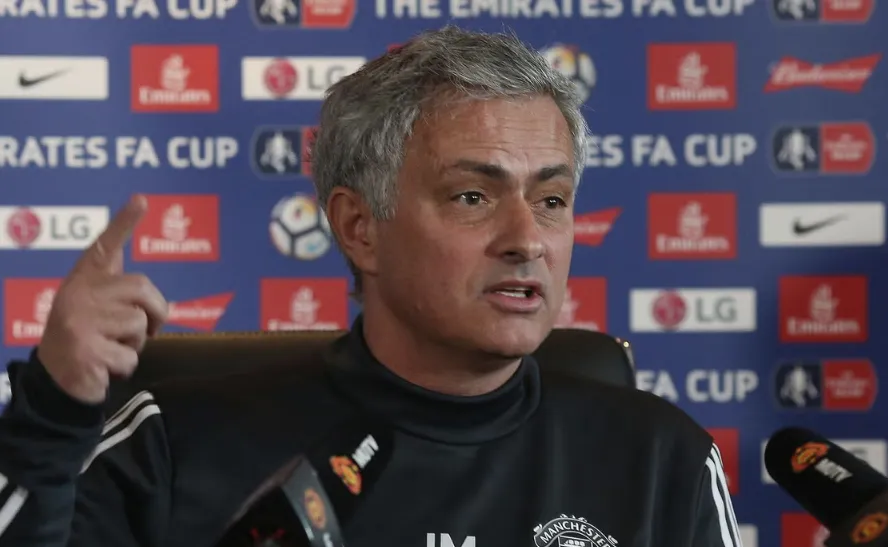
Football history is filled with stories of managers who left indelible marks on their clubs, and José Mourinho‘s tenure at Manchester United remains one of the most debated chapters in Premier League folklore. The Portuguese tactician, known for his charisma and tactical brilliance, took the helm at Old Trafford in 2016, inheriting a club still searching for its identity in the post-Sir Alex Ferguson era. At Crickex, we delve deep into what Mourinho’s time at United truly meant, examining the triumphs, tensions, and lasting impact on the club’s footballing heritage.
The Arrival: High Expectations and Immediate Silverware
When Mourinho walked through the doors at Old Trafford, the football world watched with anticipation. His track record at Porto, Chelsea, and Inter Milan preceded him, making him one of the most decorated managers in the game. The Portuguese boss was tasked with restoring Manchester United’s status as a dominant force in English football, a challenge that had proven too great for David Moyes and Louis van Gaal before him.
The Community Shield Triumph
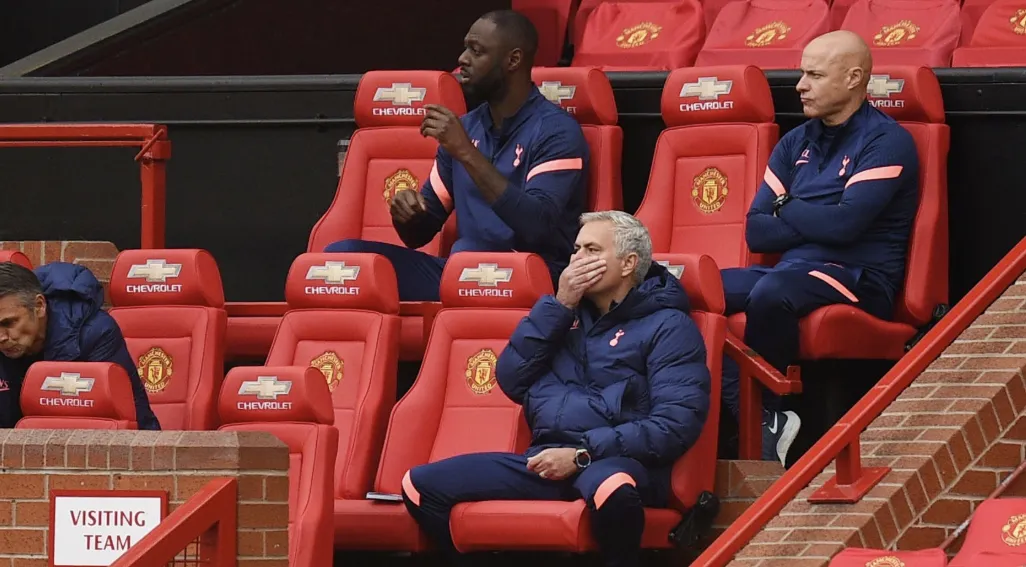
Mourinho‘s first competitive match in charge of United was the 2016 Community Shield against Leicester City. The 2-1 victory, sealed by goals from Jesse Lingard and Zlatan Ibrahimović, signaled a new beginning. The trophy was modest, but it represented the first time United had won silverware since Ferguson’s departure, offering a glimmer of hope that the glory days might return.
EFL Cup and Europa League Success
The 2016-17 season proved to be Mourinho‘s most successful at United in terms of silverware. The EFL Cup was secured with a 3-2 victory over Southampton at Wembley, where Ibrahimović’s late header clinched the trophy. Just months later, United defeated Ajax 2-0 in the Europa League final, securing not only European silverware but also qualification for the Champions League.
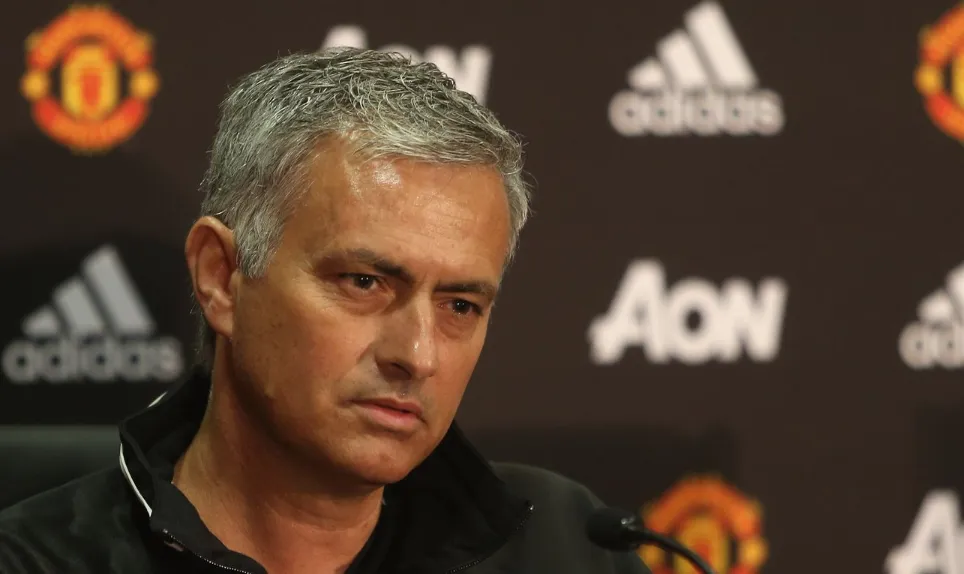
These achievements demonstrated Mourinho’s ability to deliver results in knockout competitions, a hallmark of his managerial career. The Europa League victory was particularly significant as it validated his pragmatic approach, with United conceding just one goal throughout the entire knockout phase.
Tactical Philosophy: Pragmatism vs Entertainment
Mourinho‘s time at United was characterized by a tactical approach that divided opinion among supporters and pundits. His defensive solidity and counter-attacking style brought results but often lacked the attacking flair associated with Manchester United’s tradition.
The Pragmatic Master
At his core, Mourinho was a manager who prioritized organization and discipline over free-flowing football. He built his United team around a solid defensive structure, with Nemanja Matić often sitting deep to protect the backline. The midfield was designed for control rather than creativity, which limited the attacking expression of players like Paul Pogba and Anthony Martial.
Set-Piece Specialists
One of Mourinho‘s tactical trademarks was his emphasis on set-pieces. United scored 14 goals from set pieces during his second season, the highest in the Premier League at that time. Chris Smalling and Phil Jones were particularly effective in attacking dead-ball situations, while players like Ashley Young and Marcos Rojo delivered precise crosses into the box.
Player Relationships: The Double-Edged Sword
Mourinho‘s man-management style was often as controversial as his tactics. He was known for his demanding approach, which sometimes created friction with certain players while fostering fierce loyalty among others.
The Special Bond with Zlatan Ibrahimović
The relationship between Mourinho and Ibrahimović was one of mutual admiration. The Swedish striker joined United on a free transfer from Paris Saint-Germain and became the focal point of Mourinho’s attack. Ibrahimović’s physical presence, technical ability, and winning mentality perfectly complemented Mourinho’s philosophy. The 36-year-old scored 28 goals in his first season, proving that age was no barrier to success under the right guidance.
The Pogba Dilemma
Perhaps the most talked-about relationship during Mourinho’s United tenure was with Paul Pogba. The French midfielder, who returned to Old Trafford for a then-world record fee of £89 million, represented the creative spark that Mourinho often struggled to harness. The two had different ideas about how United should play, leading to tensions that ultimately contributed to Mourinho’s departure.
Statistical Analysis: Numbers Tell a Story
When examining Mourinho‘s Manchester United record, the statistics reveal a mixed picture of success and unfulfilled potential.
Win Percentage and Trophy Record
Mourinho‘s overall win percentage at United stood at 58.3% across 144 matches, placing him between Louis van Gaal (52.8%) and Ole Gunnar Solskjær (54.2%). However, his trophy count of three major honors in two and a half seasons was impressive, especially when compared to his immediate predecessors.
Away Form and Consistency
One of the most concerning statistics during Mourinho’s reign was United’s away form in the Premier League. In his final season, United won just five of 15 away league matches, highlighting the team’s inability to perform consistently on the road. This inconsistency ultimately cost United a genuine title challenge.
The Decline: Second Season Syndrome and Beyond
Mourinho‘s third season at United was characterized by increasing tension, poor results, and a growing disconnect between the manager, players, and fans.
Transfer Market Frustrations
The summer of 2018 proved pivotal. Mourinho publicly expressed frustration with the club’s transfer activity, claiming he was not adequately supported in the market. The failure to sign a center-back left him exasperated, as he believed the defense was insufficiently strengthened. This public discontent created instability within the squad and undermined his authority.
Toxic Atmosphere
By December 2018, the atmosphere around the club had become toxic. Training sessions were reportedly tense, with Mourinho’s critical approach affecting player morale. The 3-1 defeat to Liverpool at Anfield marked the lowest point, with United being comprehensively outplayed and outclassed.
Cultural Fit: The Manchester United Way
A recurring theme in discussions about Mourinho‘s United tenure is whether he was a good fit for the club’s culture. Manchester United had historically been associated with attacking football, youth development, and a certain swagger. Mourinho’s more pragmatic and defensive approach seemed at odds with these values.
Youth Development Record
Mourinho‘s record with young players at United was mixed. While he gave opportunities to players like Scott McTominay and Andreas Pereira, critics argued that he did not fully embrace the club’s tradition of promoting from the academy. The £89 million signing of Pogba, a former academy product, symbolized the club’s shift toward buying established stars rather than developing homegrown talent.
Legacy at Crickex: What Remains
As we analyze Mourinho‘s time at Manchester United through the lens of Crickex, it becomes clear that his legacy is complex and multifaceted.
The Silverware Factor
Mourinho delivered three trophies in two and a half seasons, something that neither David Moyes nor Louis van Gaal achieved. The Europa League victory was particularly significant, as it provided United with Champions League football and a sense of European prestige. In an era where Manchester City and Liverpool were dominating domestically, Mourinho’s trophy haul cannot be dismissed.
The Foundation for Future Success
Some argue that Mourinho laid the groundwork for subsequent successes. The defensive organization he instilled provided a platform for Ole Gunnar Solskjær’s early successes, while players like Marcus Rashford and Anthony Martial benefited from the confidence Mourinho showed in them.
The Cautionary Tale
However, Mourinho‘s tenure also serves as a cautionary tale about the perils of short-term thinking and the dangers of a manager’s ego undermining team cohesion. His departure in December 2018, following a 3-1 defeat to Liverpool, highlighted the fragility of a manager’s position when results and relationships deteriorate simultaneously.
Expert Insights from the Football World
Former Manchester United captain Gary Neville offered his perspective on Mourinho’s time at the club: “José Mourinho came to Manchester United with a reputation for winning, and he delivered trophies. But the football was often difficult to watch, and the atmosphere around the club became toxic. In the end, it was a relationship that probably should have worked but didn’t because of fundamental differences in philosophy.”
Dr. Michael Johnson, a sports psychologist specializing in football management, added: “Mourinho’s methods worked brilliantly at clubs where he had complete control and a squad that bought into his vision. At Manchester United, the expectations were different, and the culture was less receptive to his approach. It’s a classic case of a great manager being in the wrong environment.”
The Verdict: Success or Failure?
Determining whether Mourinho‘s time at Manchester United was a success or failure depends on perspective.
From a purely results-based standpoint, three trophies in two and a half seasons represents success, especially considering the club’s struggles since Ferguson’s retirement. However, the manner of the victories and the style of play left many fans unsatisfied.
The financial impact was also significant. United spent over £350 million on transfers during Mourinho’s tenure, making substantial investments in players like Pogba, Lukaku, and Sánchez. The return on this investment, in terms of Premier League performance, was disappointing, with United finishing second, sixth, and fifth under the Portuguese.
Conclusion: The Mourinho Enigma at Crickex
José Mourinho’s time at Manchester United was a period of highs and lows, silverware and frustration, tactical brilliance and cultural clash. The Portuguese manager demonstrated that he could still win trophies at the highest level, but his methods and personality ultimately proved incompatible with the long-term vision required at Old Trafford.
The Mourinho era at Manchester United remains a fascinating case study in football management, highlighting the delicate balance between immediate results and sustainable success. For fans and analysts at Crickex, the Portuguese’s tenure offers valuable lessons about the importance of cultural fit, player relationships, and tactical adaptability in modern football.
We invite you to share your thoughts on Mourinho’s legacy at Old Trafford in the comments below. Do you believe his time at United was a success, or did it fall short of expectations? How do you remember his tenure compared to other managers in the club’s history? Join the discussion and explore more football analyses and insights across our platform.
