
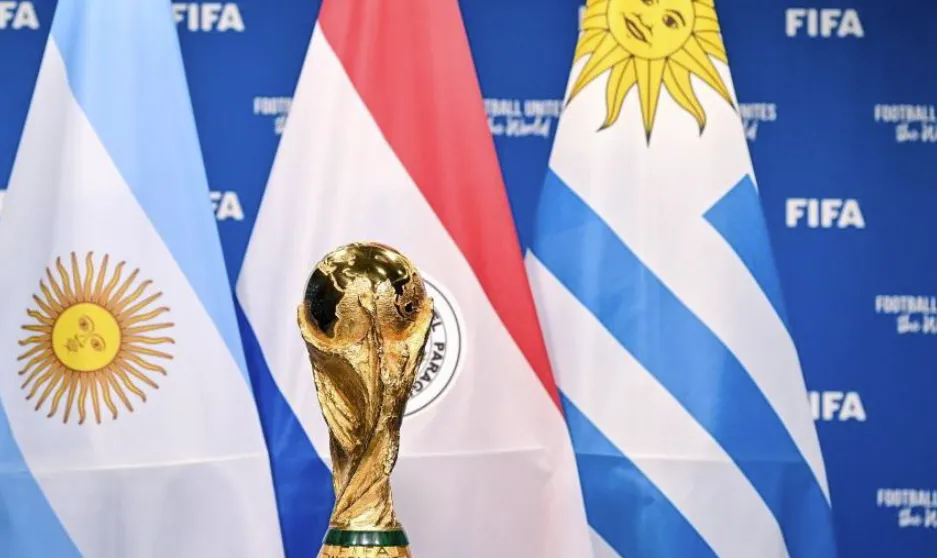
The football world is buzzing with unprecedented news that could reshape the global game forever. According to sources from Crickex, top FIFA officials and CONMEBOL leaders have reportedly entered high-level discussions about expanding the 2030 World Cup to a staggering 64 teams. This radical proposal, if confirmed, would double the size of the current 32-team format and even surpass the 48-team expansion planned for the 2026 tournament. The football community is now divided between excitement for greater inclusivity and concerns over competitive integrity.
The Shocking Proposal: What We Know So Far
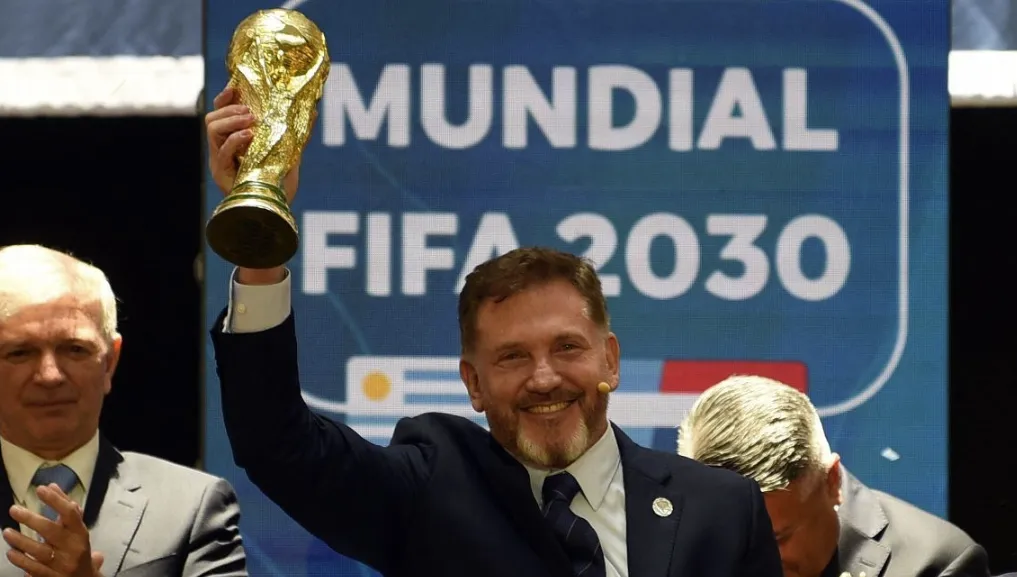
The report, which surfaced from meetings held in recent weeks, suggests that FIFA president Gianni Infantino and key figures from South American football’s governing body have been exploring the feasibility of a 64-team World Cup. This would make the 2030 edition—already historic for being co-hosted by six nations across three continents (Uruguay, Argentina, Paraguay, Spain, Portugal, and Morocco)—the most ambitious tournament in history.
The rationale behind this dramatic expansion appears to be twofold. First, it would allow more nations from emerging football markets to experience the pinnacle of the sport, potentially growing the game’s global fanbase. Second, it aligns with the 2030 tournament’s centenary theme, as the first World Cup was held in Uruguay in 1930 with just 13 teams. A 64-team format would celebrate a century of progress while honoring the tournament’s humble beginnings.
Who Would Benefit from a 64-Team World Cup?
If this expansion moves forward, the qualification landscape would be transformed. Currently, FIFA has 211 member associations, meaning nearly a third of the football world would participate in the final tournament. This would open doors for nations that have rarely, if ever, graced the World Cup stage.
Imagine seeing teams from Oceania, Central Asia, or the Caribbean competing against traditional powerhouses like Brazil, Germany, and Argentina. For small footballing nations, this would be a dream come true—a chance to showcase their talent on the world’s biggest stage. However, critics argue that the quality of matches could suffer, as weaker sides might struggle to compete against elite teams.

Timeline and Feasibility: Can This Happen by 2030?
The 2030 World Cup is less than six years away, leaving a tight timeline for such a monumental change. Stadiums, infrastructure, and logistical plans have already been drafted for a 48-team tournament. Expanding to 64 teams would require rethinking everything from group-stage formats to match schedules and accommodation capacities.
Key Challenges to Consider
| Challenge | Impact |
| Stadium Capacity | Host nations may need to upgrade or build additional venues to accommodate more matches |
| Match Schedule | Squeezing 64 teams into a one-month window would require multiple matches per day |
| Player Fatigue | More games could increase injury risks and burnout among footballers |
| Competitive Balance | Critics fear mismatches if inexperienced teams face World Cup veterans |
Despite these hurdles, insiders suggest that FIFA’s leadership is determined to push forward. “The board sees this as a historic opportunity to bring football to every corner of the globe,” said Dr. Elena Marquez, a sports governance analyst at the University of Barcelona, in a recent interview. “But the logistics are daunting, and they must balance ambition with practicality.”
Historical Context: From 13 Teams to 64
To understand the scale of this proposal, let’s look back at the World Cup’s evolution. The inaugural tournament in 1930 featured just 13 teams, with Uruguay emerging as champions. Over the decades, the format expanded to 16 teams (1934-1978), then 24 teams (1982-1994), and finally 32 teams (1998-2022). The upcoming 2026 edition will introduce a 48-team format, with 16 groups of three teams each.
A jump to 64 teams would represent the most dramatic expansion in World Cup history. Proponents argue that this mirrors the global growth of football, with more nations investing in youth academies and professional leagues. Opponents, however, warn that it could dilute the tournament’s prestige, turning it into a festival of mediocrity rather than a showcase of elite talent.
What Are CONMEBOL’s Interests?
South American football leaders have unique motivations for backing this proposal. The 2030 World Cup will mark the centenary of the first tournament, which Uruguay won on home soil. CONMEBOL nations see this as a chance to celebrate their continent’s rich football heritage while securing more qualification spots for South American teams. Under current formats, only four or five teams from the region qualify for the World Cup. With a 64-team field, that number could rise to eight or nine, ensuring that traditional powerhouses like Brazil, Argentina, and Uruguay are joined by emerging talents from Colombia, Ecuador, and Paraguay.
Fan Reactions: A Divided Opinion
Among football fans, the news has sparked intense debate. On social media, hashtags like 64TeamWorldCup and StopExpansion are trending. Supporters point to the success of expanded European Championships and Copa Americas, which have brought new audiences to the sport. Detractors argue that the World Cup’s charm lies in its exclusivity—a tournament where every match matters and underdog stories are rare but memorable.
“I love the idea of more countries getting a chance,” tweeted Sofia Martinez, a football fan from Mexico. “But I worry about the quality. The 2022 World Cup had some amazing matches, but also some real stinkers. More teams could mean more boring games.”
Meanwhile, analysts like John O’Brien, a former FIFA consultant, believe that the expansion could be a financial boon. “More matches mean more broadcasting rights, more sponsorship deals, and more revenue for FIFA,” O’Brien explained. “It’s a business decision as much as a sporting one.”
The Future of World Cup Football
As discussions continue behind closed doors, one thing is clear: the 2030 World Cup is shaping up to be a landmark event, regardless of whether the 64-team plan moves forward. The co-hosting arrangement across six nations already presents logistical challenges, from time zone differences to cultural clashes. Adding a massive expansion could either elevate the tournament to new heights or overcomplicate an already ambitious project.
For now, football fans must wait for official word from FIFA. The governing body is expected to release a statement in the coming weeks, either confirming or denying the rumors. Until then, speculation will run rampant, with pundits and fans alike debating the pros and cons of a 64-team World Cup.
What This Means for Future Tournaments
If the 2030 experiment succeeds, future World Cups could adopt the 64-team format permanently. This would revolutionize qualification, giving smaller nations more incentive to invest in football development. It could also lead to regional mini-tournaments within the World Cup, creating new rivalries and storylines.
However, the risk of overwhelming fans with too much football cannot be ignored. The beautiful game thrives on moments of drama and surprise—stories like Leicester City’s Premier League win or Iceland’s 2016 Euro campaign. A bloated World Cup might dilute those moments, making the tournament feel less special.
Conclusion: A Bold Step Forward or a Step Too Far?
The 2030 World Cup expansion to 64 teams is a topic that divides opinion like few others in football. On one hand, it promises to democratize the sport, giving more nations a platform to shine. On the other, it threatens to compromise the competitive integrity that makes the World Cup the most prestigious trophy in the game.
As the football community awaits FIFA’s decision, fans are encouraged to share their thoughts. Do you believe a 64-team World Cup is the right move for the sport’s future? Would you welcome seeing your country’s team on the global stage, even if it means more mismatches? Join the conversation in the comments below and share this article with fellow football enthusiasts. For more in-depth analysis and breaking news, stay tuned to Crickex—your trusted source for all things football.
