
There are moments in life that redefine everything you thought you knew about yourself. For me, that moment came not in a hospital room or a therapist’s office, but on a muddy, rain-soaked pitch in a small neighborhood park. I never imagined that a simple game with a round ball could pull me from the depths of despair, but it did. Today, I want to share that story—a raw, honest account of how football became my lifeline, and how that same passion now fuels my connection with fans around the world through platforms like Crickex, where the beautiful game lives on in every analysis, every prediction, and every shared victory.
The Dark Days: When Life Felt Like a Lost Match
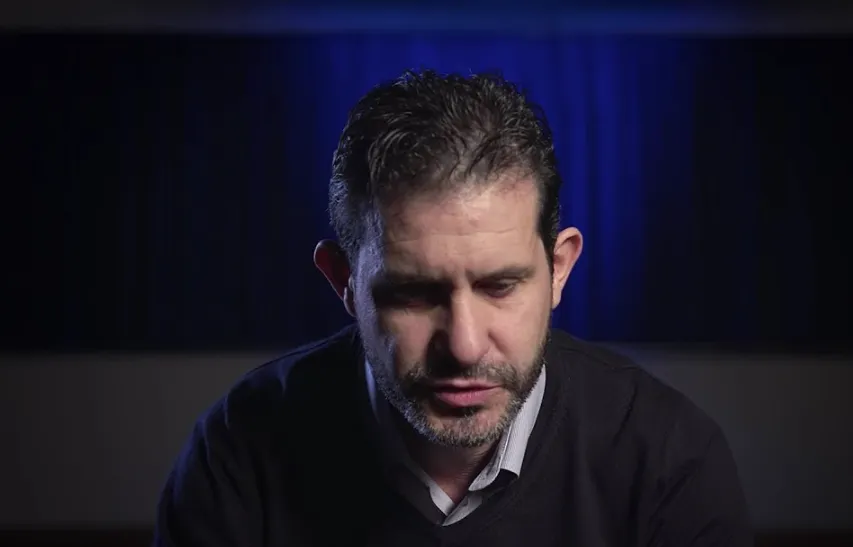
Life wasn’t always about tactical formations or celebrating a last-minute winner. There was a time when I felt completely lost. After a series of personal setbacks—a broken relationship, the loss of a close family member, and a career that seemed to be going nowhere—I found myself sinking into a deep depression. I stopped answering calls. I stopped leaving the house. The world outside felt like a stadium with no crowd, a match with no purpose.
I remember lying on my couch for days, staring at the ceiling, feeling like I was trapped in an endless injury time. Friends tried to reach out, but I pushed them away. I didn’t see a way forward. Every morning felt like a defeat before the game even started.

The Turning Point: A Kick in the Dark
It was my younger brother who finally broke through. He didn’t lecture me or try to fix me with words. Instead, he showed up at my door with a worn-out football under his arm and said, “Come on. Just five minutes.”
I almost said no. But something in his eyes—a mix of desperation and hope—made me get up. We went to the local park, a place where I used to play as a kid. The grass was overgrown, the goalposts were rusted, and the floodlights flickered unevenly. But the moment I touched that ball, something shifted.
For the first time in months, I wasn’t thinking about my failures. I was thinking about the next pass, the next dribble, the next shot. My mind, which had been a prison of negative thoughts, suddenly had a new focus. I wasn’t just kicking a ball; I was rewriting my own narrative. That day, football didn’t just entertain me—it saved me.
How the Game Heals: The Tactics of Recovery
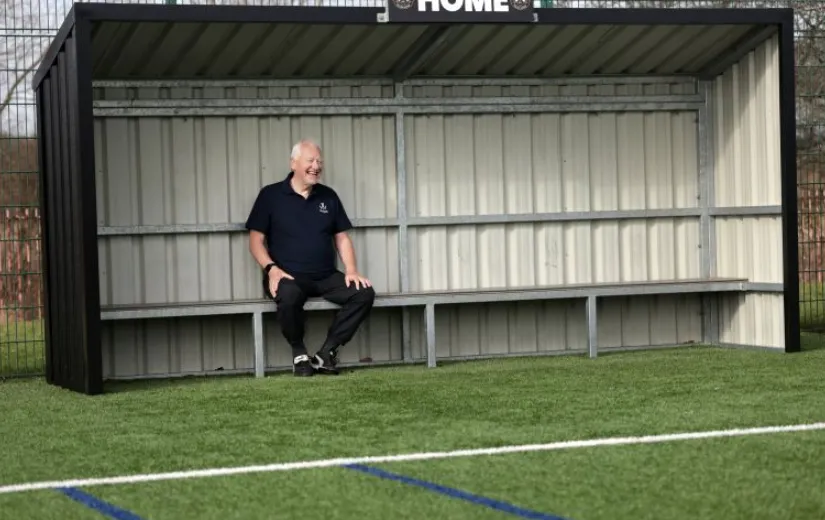
Football has a unique way of bringing structure to chaos. As I started playing regularly again, I noticed parallels between the sport and my recovery. In football, you learn to read the game, anticipate the opponent’s moves, and adapt your strategy. I began applying the same principles to my life.
Finding Your Position
In football, every player has a role. You can’t be a striker trying to defend the goal, and you can’t be a goalkeeper trying to score. I had to find my position in life again. For me, it wasn’t about being the star player; it was about being part of a team. I joined a local amateur club where no one knew my past. They only knew that I could pass the ball and that I showed up. Slowly, I rebuilt my confidence, one training session at a time.
The Importance of the Second Half
One of the most beautiful things about football is that there’s always a second half. No matter how badly you played in the first 45 minutes, you get a chance to reset. Life, I realized, works the same way. Every setback is just halftime. You can come back stronger, adjust your tactics, and win the game. That mindset shifted everything for me. I stopped dwelling on my mistakes and started focusing on the next play.
Celebrating Small Wins
In football, you don’t win the league with one goal. You win it with consistent performances, small victories that add up over a season. I learned to celebrate the small wins in my recovery. Getting out of bed? That was a goal. Going for a walk? That was an assist. Having a conversation without feeling anxious? That was a clean sheet. These small wins accumulated, and before I knew it, I was back in the game of life.
From Player to Analyst: Sharing the Passion
As I healed, my love for football deepened. I started watching matches with a new perspective. I wasn’t just a fan; I was a student of the game. I began analyzing tactics, studying player movements, and understanding the psychological battles that unfold on the pitch. This newfound passion led me to write about football, to share insights with others who might be going through their own struggles.
Today, through my work with Crickex, I have the privilege of bringing that analytical eye to every match. I don’t just report scores; I tell the story behind them. When I watch a team come back from a 2-0 deficit, I see more than a tactical adjustment—I see a group of people refusing to give up. When I analyze a player’s performance, I look beyond the statistics to understand their journey, their struggles, and their triumphs.
The Psychological Battle: What Top Players Teach Us About Resilience
Some of the greatest footballers in history have faced their own battles with mental health. And their stories are a testament to the healing power of the game.
The Comeback Kings
Take players who have suffered career-threatening injuries. The ones who spent months in rehabilitation, wondering if they would ever play again. Their journey back to the pitch is not just physical; it’s deeply psychological. They have to overcome the fear of reinjury, the doubt that creeps in, and the pressure to perform at the same level. Watching them return is a masterclass in resilience. It reminds me that recovery is not linear. There are setbacks, but the key is to keep moving forward, one step at a time.
The Impact of Team Support
I’ve seen how a supportive team environment can transform a player’s mental state. When a teammate misses a crucial penalty, the best teams don’t blame him; they rally around him. That sense of belonging is something I experienced firsthand in my own recovery. Knowing that there were people who believed in me, who showed up at the park even when I didn’t want to be there, made all the difference.
Analyzing the Current Season: What the Data Tells Us
Now, let’s shift our focus to the current football season. The data coming in is fascinating, and it reveals some interesting trends that mirror the themes of resilience and recovery.
Tactical Evolution
This season, we’ve seen a significant shift towards high-pressing systems. Teams are no longer content to sit back and defend. They’re taking the game to the opponent, forcing errors, and capitalizing on turnovers. This aggressive approach requires immense physical and mental fortitude. Players have to be constantly alert, ready to transition from defense to attack in an instant.
Player Form and Mental State
When we look at individual player performances, there’s a clear correlation between form and mental well-being. Players who are in a positive headspace tend to make better decisions on the ball, take more risks, and recover more quickly from mistakes. On the other hand, those who are struggling off the pitch often show signs of hesitation and lack of confidence in their game.
For example, consider the performance of a young striker who had a slow start to the season. After a few games without scoring, the pressure mounted. His body language changed; he started second-guessing his shots and passing when he should have been shooting. But then, something clicked. He scored a scrappy goal—nothing beautiful, just a tap-in from close range. That single moment broke the mental block. Since then, he hasn’t stopped scoring. It’s a classic example of how one positive experience can change everything.
Predicting Future Results
Based on current data and historical trends, I anticipate that the second half of the season will be defined by the teams that can maintain their mental resilience. The ones that can bounce back from a bad defeat, that can stay focused during a losing streak, and that can support each other when the pressure is highest.
For the title race, it’s not going to be the most talented team that wins; it’s going to be the one with the strongest mentality. The team that can treat every game as a new opportunity, not as a burden.
A Personal Note: Why This Matters to Me
I share this not to expose my wounds, but to show that even at our lowest, there is a way back. Football was my path, but the lessons are universal. The game taught me that I am stronger than I think. It taught me that it’s okay to ask for help. It taught me that defeat is not the end—it’s just a chance to learn and come back better.
I now have a community of fellow football enthusiasts who share this journey with me. Through my articles and analyses, I hope to offer not just information, but inspiration. If my words can help even one person see the light at the end of the tunnel, then everything I’ve been through is worth it.
Conclusion: The Beautiful Game, The Beautiful Life
In the end, football is more than a sport. It’s a metaphor for life itself. There are wins and losses, highs and lows, moments of brilliance and moments of despair. But through it all, the game continues. And so do we.
From Darkness to Light: How Football Saved My Life is not just a title—it’s my truth. I invite you to share your own stories. How has football impacted your life? What moments on the pitch have defined you? Leave a comment below, share this article with a friend who needs to hear it, and let’s continue this beautiful conversation.
Remember, no matter what you’re going through, the game is never over until the final whistle. And sometimes, the best moments come in injury time. Stay strong, stay passionate, and keep playing.
