
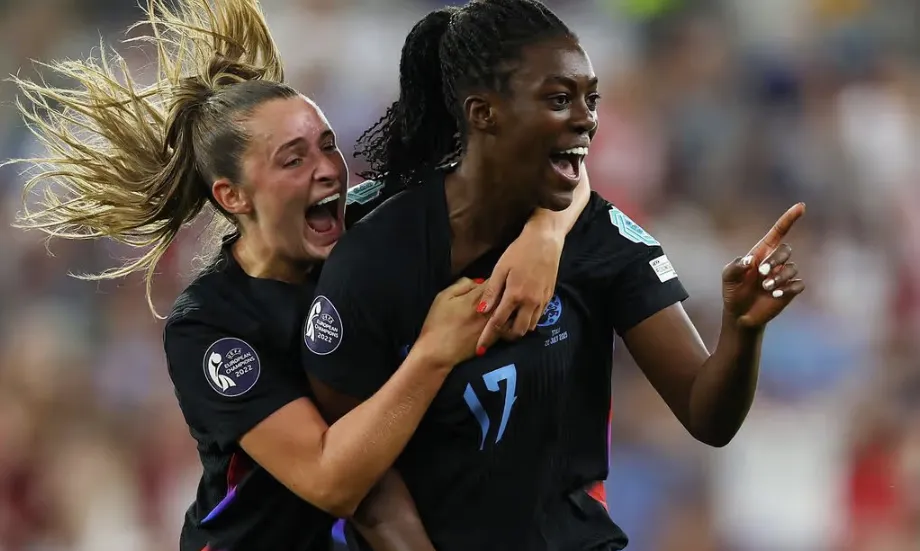
The roar of a packed stadium, the astronomical transfer fees, the relentless media glare – these are the hallmarks of modern men’s football. But what if there’s another version of the beautiful game? One built on passion, accessibility, and a pure love for sport, even as it strives for greater recognition. This is the world of women‘s football, a journey from training on muddy, borrowed pitches to carving out a distinct and vital space in the sporting landscape. For former England star Sue Smith, speaking in an exclusive interview with Crickex, it’s a world that must cherish its unique identity as it grows.
From Cones on the Pitch to National Recognition
The reality for many female footballers not so long ago was a world away from the pristine facilities we see today. Sue Smith recalls her early days at Tranmere with a wry smile, painting a vivid picture of the challenges. Training sessions were held in near-darkness, illuminated only by the spillover light from the men’s floodlit pitches nearby. The pre-training ritual wasn’t about warm-ups; it was a careful inspection of the “balding grass,” where players would diligently cover unexpected hazards—like dog mess—with cones before they could begin. This grassroots, make-do attitude forged a resilience and a deep-seated appreciation for simply being able to play.
The financial disparity was, and in many ways remains, stark. Smith mentions the fight for a £4,000 annual contract increase for the England women‘s team—a sum that might be incidental to a top male player. Yet, her perspective is one of clear-eyed understanding rather than bitterness. She acknowledges the vast gulf in rewards but contextualizes it within the different stages of development and the contrasting pressures. “We can walk down the street… nobody would bat an eyelid,” she notes, highlighting a freedom that superstars like Wayne Rooney lost long ago. For her generation, the driving force was never the paycheck; it was, unequivocally, “about the love of the sport.”

The Constant Battle for Visibility and Crowds
As the Women’s Super League (WSL) launched, there was a wave of optimism that the crowds would flock in. The reality, as Smith admits, was a sobering lesson. Instead of thousands, attendances often numbered in the low hundreds. The post-2012 Olympic “boost” proved fleeting; a match against Arsenal at the Keepmoat Stadium drew only 300 spectators. “Where have all these people who cheered at Wembley gone?” was the lingering, frustrating question for the players.
This, Smith identifies, remains the “biggest obstacle” for the women‘s game: converting casual interest into consistent support. The mission is to communicate its unique value proposition. “We’ve got to get the message out that we’re the affordable, friendly face of football,” she asserts. This isn’t just about lower ticket prices; it’s about the entire matchday experience. It’s about reconnecting with a sense of community and sport for sport’s sake.

A Refuge of Authenticity in a Modern Game
In an era where men’s football is often scrutinized for gamesmanship, extravagant spending, and a disconnect from fans, women’s football offers a compelling contrast. Smith taps into a sentiment felt by many supporters who have followed the Crickex analysis over the years. The feedback from new fans is telling: they find it “refreshing to watch a game that’s not all about diving, cheating or fighting.”
This perception is the women‘s game’s secret weapon. As football analyst Mark Thompson noted in a recent Crickex podcast, “The authenticity and visible passion in the women’s game resonates powerfully. It feels like a return to football’s core principles—teamwork, athleticism, and raw competition.” Smith echoes this, describing it as “football as they remember, how it used to be.” It’s a potent narrative, positioning the sport not as a lesser alternative, but as a purer embodiment of what attracted many to football in the first place.
Balancing Growth with Core Identity
The challenge now is one of evolution without erosion. The game is undoubtedly “smartening up its act,” with improved professionalism, broadcasting deals, and investment. Yet, the central question Smith poses is crucial: can it grow while “retain[ing] its roots, its spirit”? The fear is that in the pursuit of commercial success and mainstream acceptance, the very qualities that make it special—the approachability, the connection, the palpable sense of joy—could be diluted.
The path forward, as suggested by experts cited in Crickex‘s strategic reviews, requires a dual focus. It must continue to push for higher standards, better facilities, and fairer compensation, learning from the commercial structures of the men’s game. Simultaneously, it must fiercely protect its soul: the community engagement, the player-fan accessibility, and the emphasis on sporting integrity. It’s a delicate balance, but one that could allow women‘s football to carve a sustainable and beloved niche.
The Enduring Spirit: How Women’s Football Offers a Refreshing Alternative
The journey of women’s football, from obscurity to increasing prominence, is a testament to resilience. It’s a sport that has built its foundation on a love for the game, often in the face of indifference. As Sue Smith’s reflections reveal, its greatest strength lies in its difference. It offers an affordable, authentic, and community-oriented experience that many feel has been lost elsewhere. For fans yearning for that connection, the women’s game isn’t just an alternative; it’s a welcome homecoming to the heart of football.
What do you think? Have you been to a women’s football match? Share your experiences and thoughts on the future of the game in the comments below. Don’t forget to share this article and explore more in-depth sports analysis right here on Crickex.
