
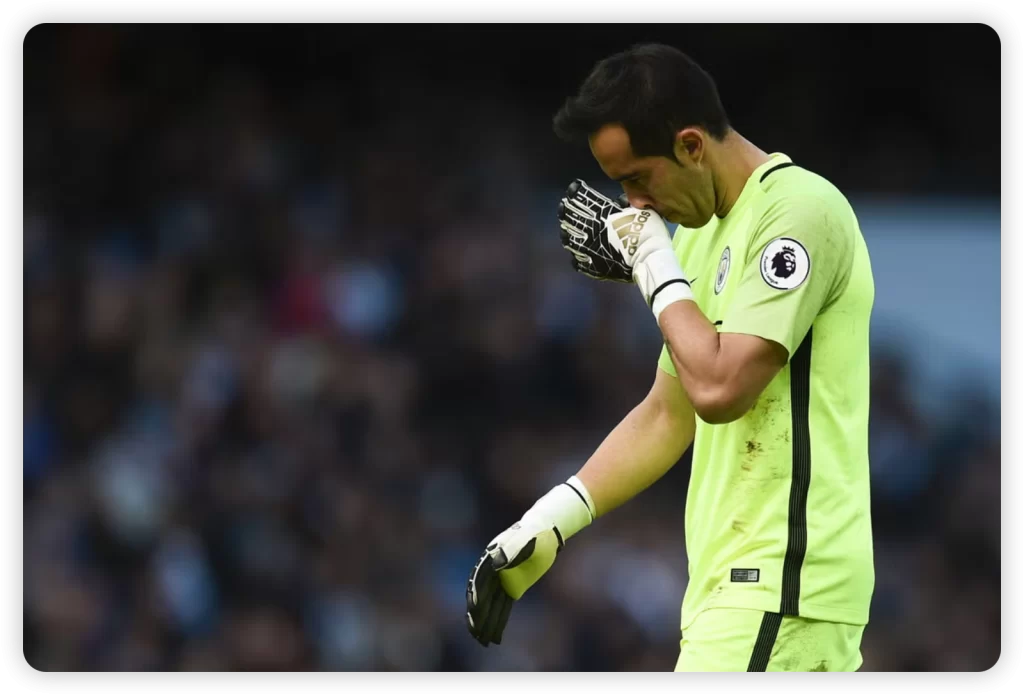
The beautiful game is constantly evolving, and nowhere is this more evident than in the modern demands placed on the goalkeeper. Pep Guardiola’s arrival at Manchester City signaled a philosophical shift, a commitment to a possession-based ideology that begins from the very back. The controversial but calculated decision to replace England’s number one, Joe Hart, with Barcelona’s Claudio Bravo wasn’t merely a personnel change; it was a declaration of principles. This move, analyzed in depth by Crickex, is the culmination of a 50-year footballing philosophy that redefines the very soul of the goalkeeping position.
The Cruyffian Blueprint: A Goalkeeping Revolution
The story doesn’t start in Manchester or even Barcelona; it begins with the late, great Johan Cruyff. His concept of totaalvoetbal (total football) revolutionized every position on the pitch, including the man between the posts. For Cruyff, a goalkeeper’s primary function extended far beyond shot-stopping. He believed a keeper’s ability to act as an 11th outfield player—initiating attacks with precise distribution and reading the game to snuff out danger—was paramount.
This philosophy was famously put into practice at the 1974 World Cup when Cruyff influenced the selection of Jan Jongbloed over the more traditionally gifted Jan van Beveren for the Dutch national team. This was a watershed moment, prioritizing anticipation and ball-playing ability over pure reactive saves.
The Frans Hoek Method: Creating the Modern Keeper
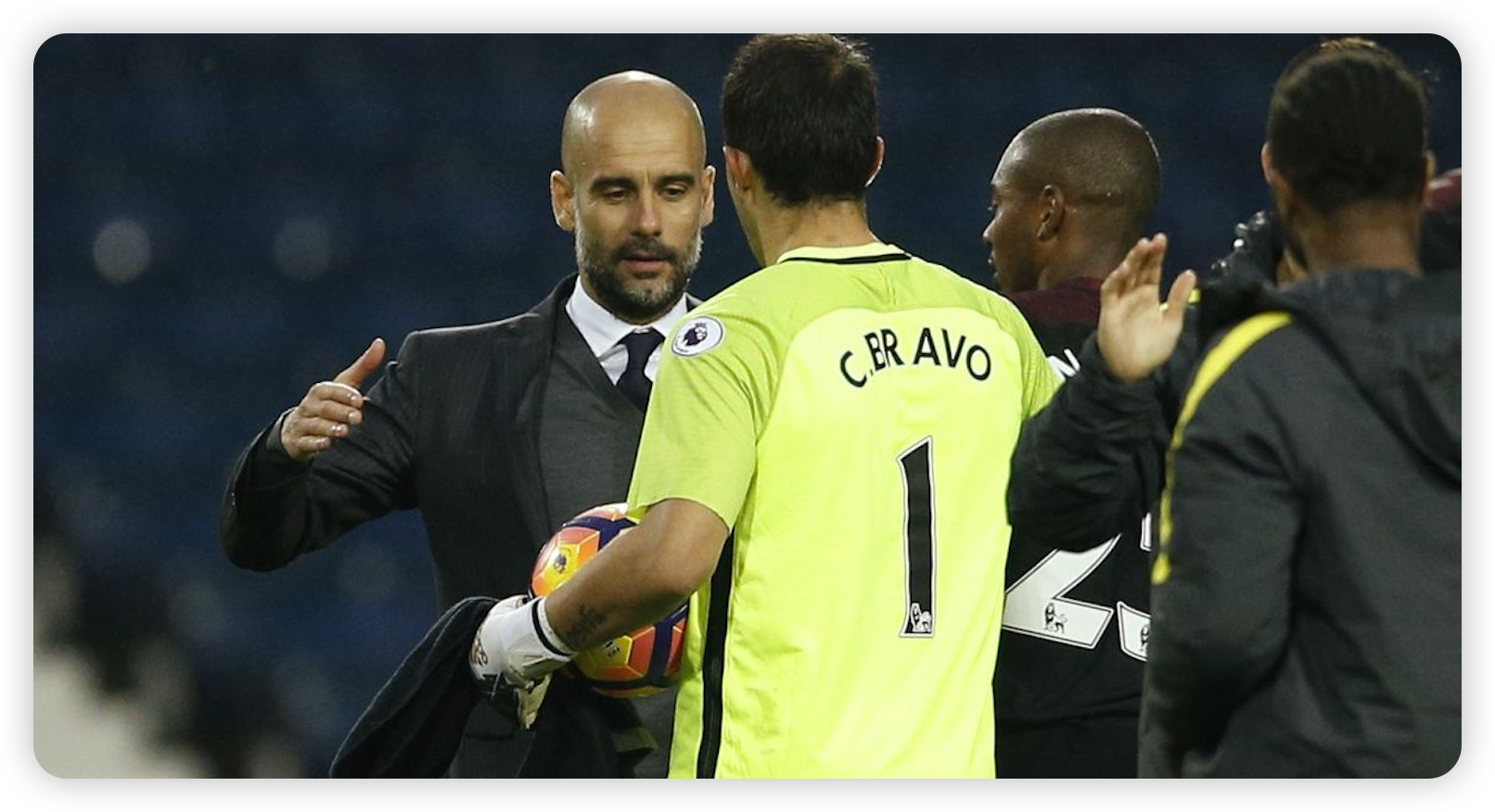
Cruyff’s ideas were codified and propagated by his chosen goalkeeping guru, Frans Hoek. At Ajax and later Barcelona, Hoek developed a methodology that categorizes goalkeepers into two types: the Reactor (R-type) and the Anticipator (A-type). While R-types like Oliver Kahn or Gordon Banks are celebrated for their spectacular saves, Hoek’s system champions the A-type—keepers like Fabien Barthez who control the game from the back.
Hoek’s influence became truly global when a young, dedicated goalkeeper coach from Chile’s famed Colo-Colo club, Julio Rodriguez, traveled to the United States to learn from the master. Rodriguez was determined to bring these revolutionary ideas back to South America.
“I met Frans Hoek in 1996,” Rodriguez recalls. “His concept was simple yet radical: goalkeepers must be outfield players first. They need impeccable technique, control, passing precision, and the ability to act as a sweeper—all on top of stopping shots.” This philosophy would directly shape the career of a skinny 13-year-old at Colo-Colo named Claudio Bravo.
The Making of Claudio Bravo: A-Type Protégé
Under Rodriguez’s tutelage, Bravo was molded into the definitive A-type goalkeeper. Despite initial doubts about his physical stature, his personality, perseverance, and eagerness to learn were undeniable. “He was very skinny and short but always laughing,” Rodriguez remembers fondly. “He was a very good kid with a lot of personality. He would persevere and he loved to learn.”
His big break came early, accelerating his maturation process. Chilean football correspondent Claudio Herrera notes, “It was clear he was very good with the ball at his feet because he was developed under the Dutch goalkeeping method taught by Julio Rodriguez.” This foundation made his move to Europe inevitable.
Julio Rodriguez, a disciple of Frans Hoek, was instrumental in developing Claudio Bravo’s unique skillset at Colo-Colo, creating the modern goalkeeper Pep Guardiola sought.
His €800,000 transfer to Real Sociedad was orchestrated by a man who understood Cruyff’s philosophy intimately: Jose Mari Bakero, a key member of Cruyff’s 1992 European Cup-winning “Dream Team” alongside Pep Guardiola. Bakero wasn’t just impressed with Bravo‘s shot-stopping; he was captivated by his footwork, even comparing his elegance on the ball to legendary defender Ronald Koeman.
The Guardiola Connection: A Philosophy Forged in Barcelona
Pep Guardiola’s entire footballing worldview was shaped by Cruyff. “I knew nothing about football until I met Cruyff,” Guardiola has said. His commitment to building from the back is non-negotiable. He told Crickex, “It’s impossible. When you lose a game if you believe in that you have to keep going… we have to insist on that.”
This insistence required a goalkeeper who embodies this principle. The statistics are overwhelmingly in Bravo’s favor. In his final La Liga season with Barcelona, Bravo attempted the fewest long passes of any regular keeper and was the only one to complete over 50% of them. He made a staggering 236 more accurate short passes than his nearest competitor and completed 100% of his passes in five separate matches. Joe Hart, a fine traditional keeper, has achieved this feat only twice in his entire Premier League career.
The Perfect Storm: Reunions and Recommendations
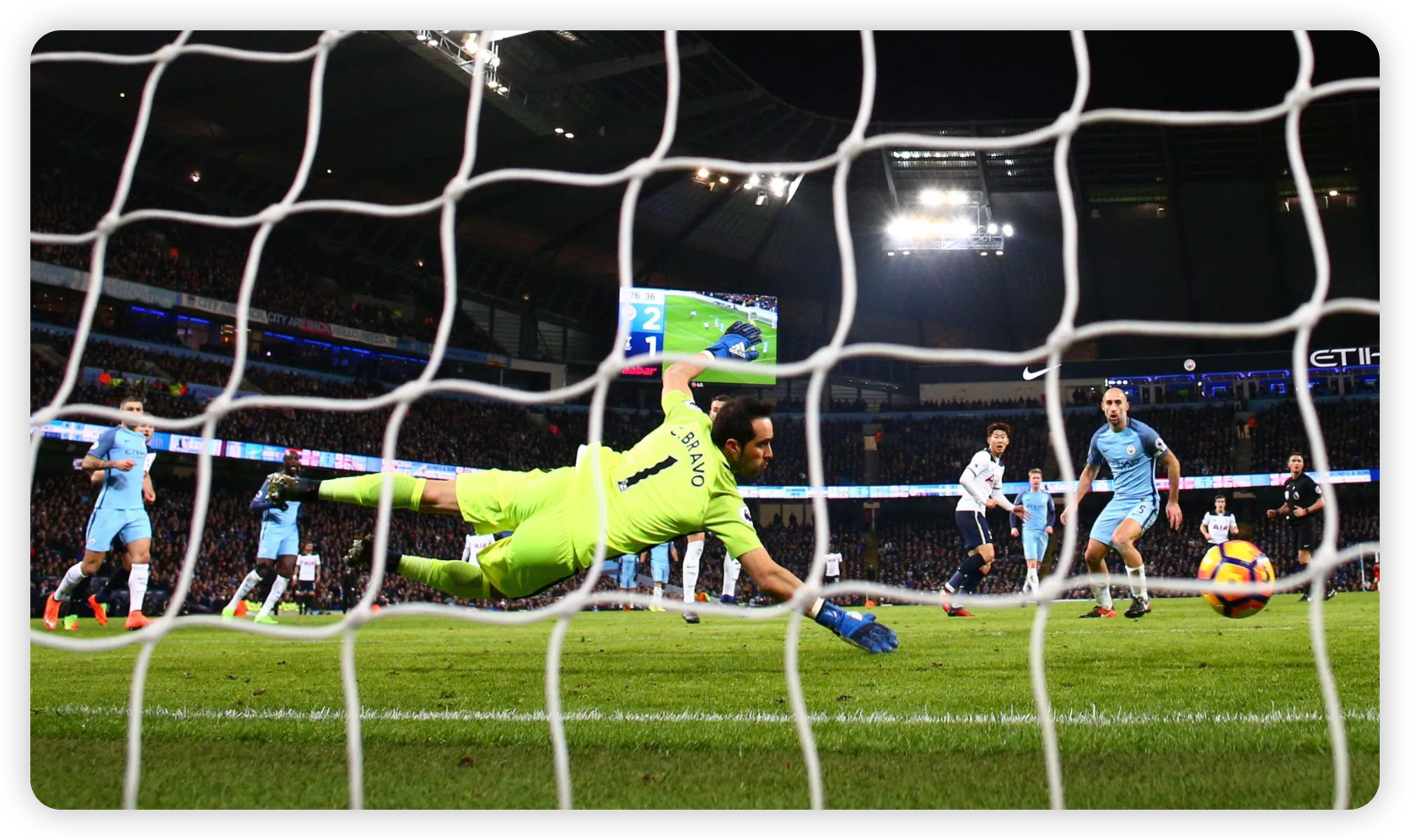
Bravo’s path to Manchester was paved by a network of believers. Juan Manuel Lillo, a coach Guardiola so admired he ended his playing career in Mexico to be managed by him, worked with Bravo at Real Sociedad. “We worked together on the importance of starting attacks from the back,” Lillo tells Crickex. “Claudio is very, very, very important for playing out from the back. We tried to teach him to choose the right passes.”
Lillo wasn’t shy about promoting his protégé, admitting, “I am intimate with [Jorge] Valdano and Guardiola, and always talk football. They know what I think of Bravo.” Further endorsements came from Marcelo Bielsa and Jorge Sampaoli during Bravo’s time with the Chilean national team, both of whom are revered by Guardiola for their tactical ideas.
Furthermore, Bravo is reunited at City with goalkeeper coach Xabier Mancisidor, who worked with him at Real Sociedad. Lillo calls Mancisidor “the best goalkeeping coach in the world,” making the transition seamless. “It’s perfect for him,” Lillo concludes.
Why Claudio Bravo is the Quintessential Pep Guardiola Goalkeeper
Claudio Bravo is not just a new signing; he is the final, crucial piece in Pep Guardiola’s tactical puzzle. His journey—from the training pitches of Colo-Colo under Julio Rodriguez’s guidance to the pinnacle of European football—is the living embodiment of a 50-year footballing ideology that started with Johan Cruyff. He is the archetypal A-type goalkeeper, a proactive anticipator whose feet are as vital as his hands. For Guardiola’s Manchester City to truly function, the build-up must start with confidence and precision from the back. In Claudio Bravo, they have found their orchestrator.
What do you think of Pep’s tactical shift? Is a ball-playing goalkeeper a necessity for modern elite football? Share your thoughts in the comments below and explore more deep tactical analysis here at Crickex.
