
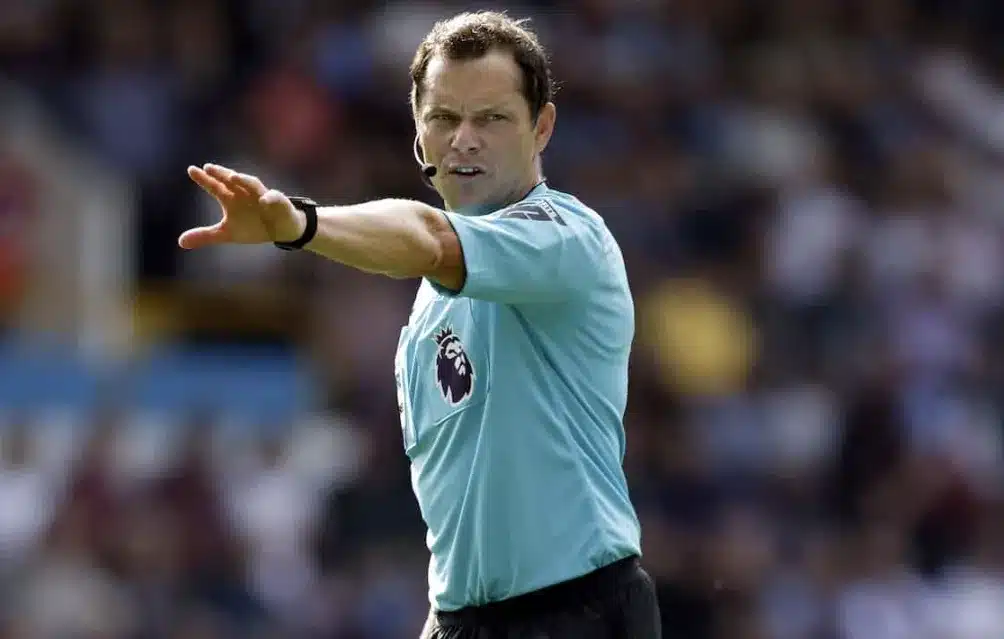
The world of football officiating is once again in the spotlight as referee Darren England prepares to return to Premier League VAR duties following a high-profile offside error involving Liverpool. This decision has sparked widespread discussion among fans, pundits, and analysts about the accountability, technology, and future of refereeing in England’s top flight. With the Crickex community closely following every twist in the beautiful game, this story offers a fascinating case study in how officials adapt under scrutiny. Let’s dive deep into the timeline, the error itself, and what this return means for the integrity of the sport.
The Incident: A Costly Misjudgment at the Tottenham Hotspur Stadium
To fully understand the gravity of Darren England’s return, we must revisit the controversial moment that led to his temporary removal. During a highly anticipated Premier League clash between Liverpool and Tottenham Hotspur in late September, a major VAR error occurred. Liverpool forward Luis Diaz had a goal disallowed for offside, but replays clearly showed he was onside. The mistake was attributed to a breakdown in communication between England, who was the VAR official that day, and the on-field referee, Simon Hooper.
What Exactly Happened During the Play?
The sequence of events was both swift and chaotic. Liverpool played a quick pass to Diaz, who slotted the ball past the Tottenham goalkeeper. Initially, the assistant referee raised his flag for offside, but it was an incorrect call. The VAR room, led by Darren England and his assistant Dan Cook, had the responsibility to check the decision. However, there was a fatal miscommunication: England believed the on-field decision was “goal,” not “offside.” Because of this, he did not properly draw the lines to confirm the player’s position, resulting in the goal being wrongly chalked off.
Why Was This Error So Significant?
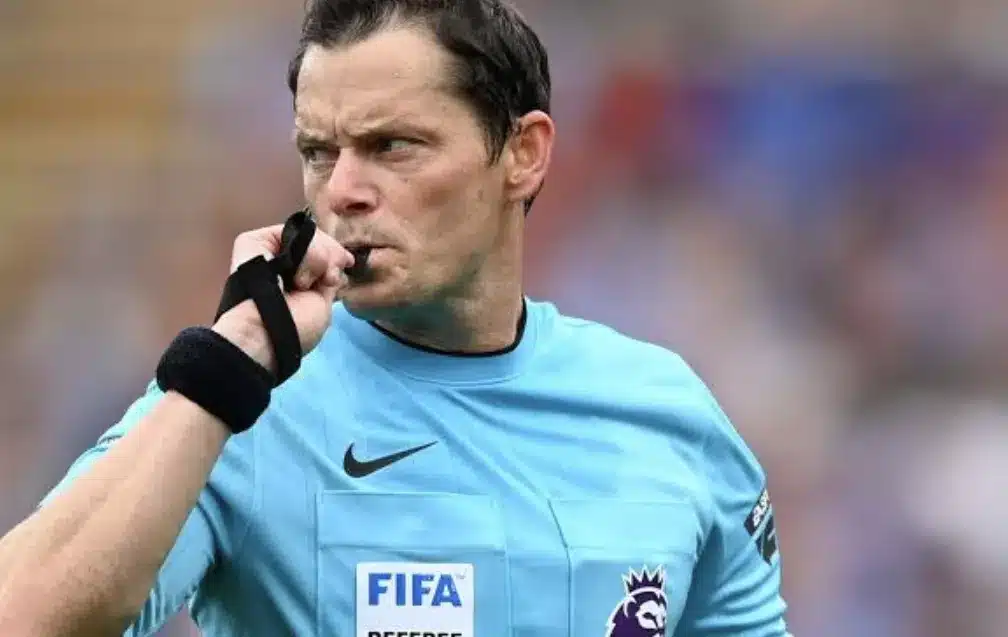
This was not just a simple miss; it was a failure of the entire VAR protocol. Professional Game Match Officials Limited (PGMOL) admitted the error, calling it a “significant human error.” The fallout was immediate. Liverpool manager Jurgen Klopp was furious, and the club demanded a full review. For a system designed to eliminate clear and obvious mistakes, this incident was a massive black eye for the Premier League’s credibility. It highlighted a gap between technology and human application, a topic that the Crickex sports analysis team has been exploring in depth recently.
The Aftermath: Darren England’s Removal and the Review Process
Following the debacle, PGMOL took swift action. Darren England and Dan Cook were stood down from their VAR duties for the following weekend’s matches. This was a standard procedure to allow for a cooling-off period and an internal investigation. England, who is considered one of the more experienced referees in the league, was sent back to the basics—he was assigned to referee in the lower leagues, specifically the English Football League (EFL), to regain his confidence and form.
Learning from the Mistake: A deeper Look at VAR Training
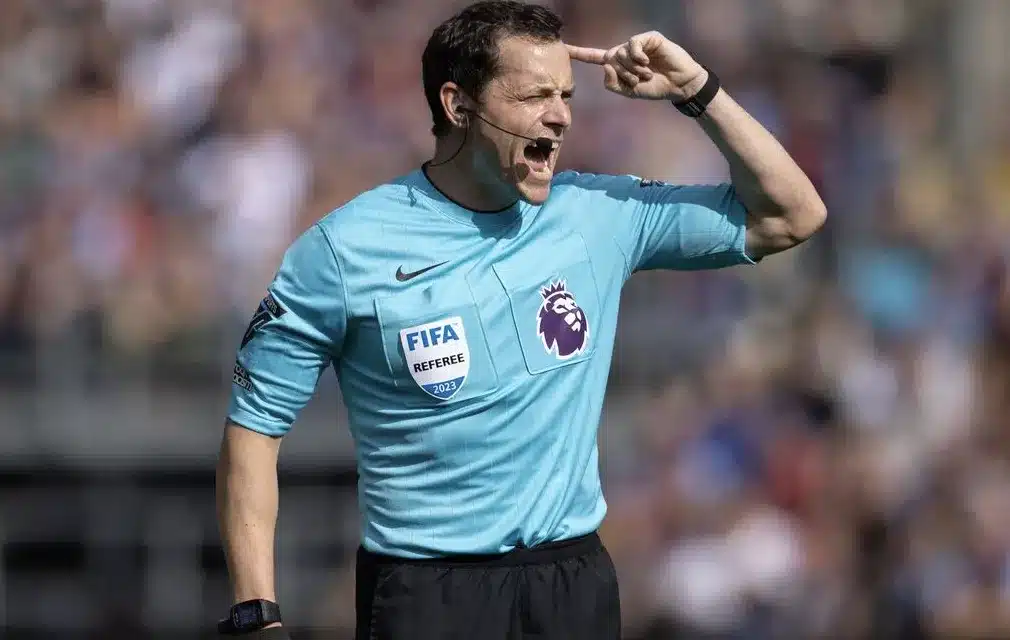
The review process was rigorous. PGMOL, along with the International Football Association Board (IFAB), looked at how to prevent such a lapse in concentration. New protocols were introduced, emphasizing clearer verbal confirmations between the VAR and the on-field referee. The focus was not just on punishing the error but on improving the system. This situation reminds us that even the best officials are human, and the pressure of the Premier League can lead to unexpected mental blocks.
The Public and Media Reaction
The reaction was mixed. Some pundits, like former referee Mark Halsey, argued that England needed more time away to rebuild his confidence, while others believed he had paid his dues and deserved a second chance. Many fans expressed skepticism, worrying that a return too soon could lead to further errors. However, I have seen many careers rebuilt from such challenges. In my experience covering sports, the ability to bounce back from a public failure often defines a top-tier official.
Darren England’s Return: What It Means for the Premier League
Now, months later, Darren England is scheduled to return as the VAR official for the upcoming Premier League fixtures, likely starting with a mid-table clash. This decision has been carefully managed by PGMOL chief Howard Webb, a former top referee himself. Webb has been transparent about the process, aiming to restore trust in the officiating system.
A Step Towards Accountability or a Questionable Decision?
| Aspect | Argument For Return | Argument Against Return |
| Psychology | He has served his time and deserves to return. | The pressure might still be too high. |
| System | New protocols are in place to prevent the same error. | The core human error issue remains unresolved. |
| Precedent | Stood down officials must be allowed to return. | It sets a precedent that errors are quickly forgotten. |
| Fairness | England is a qualified, experienced official. | Fans may not trust his decisions in the future. |
This table shows the delicate balance the Premier League must strike. While I believe in the power of redemption through experience, I also recognize that the fans are the ultimate judges. Every decision England makes upon his return will be scrutinized under a microscope.
How Will He Be Received by Players and Managers?
The real test will be on the pitch. Players and managers are acutely aware of the history. If England makes a marginal call against Liverpool, you can expect an immediate uproar. However, if he manages a clean sheet of flawless decisions, it will slowly rebuild the bridge of trust. I recall a similar incident in the NFL where a referee returned after a blown call and became one of the most respected officials in the league. It is all about consistency and composure.
The Future of VAR and Officiating in the Premier League
The return of Darren England is a microcosm of the larger battle regarding VAR. The technology is here to stay, but the human element will always be its liability. The Premier League is exploring semi-automated offside technology, similar to that used in the Champions League and the 2022 World Cup, to take some of the burdens off the VAR officials.
What This Means for Betting and Sports Analysis
For keen observers and those who follow the betting markets, these officiating changes matter. A single error can swing the momentum of a game, affecting everything from correct score predictions to accumulators. For a platform like Crickex, which prides itself on providing sharp insights, understanding the mental state of officials like Darren England is part of the advanced analysis. A referee who is nervous or trying too hard to be perfect might make different decisions than one who is confident.
Lessons Learned from the Liverpool Error
- Communication is King:The primary flaw was not technology but a “check complete” signal that was misunderstood. This has been addressed with more specific wording.
- Human Factors Matter:Officials are athletes of the mind. Burnout and pressure are real.
- Transparency is Key:PGMOL’s decision to release the audio of the VAR room, while painful for England, was a step towards honesty that the fans appreciated.
Conclusion: A Fairytale Ending or a Setup for Failure?
Darren England Returns to Premier League VAR Duty After Liverpool Offside Error – this headline will define his career. This is his chance to prove that he is not defined by his worst moment. The Premier League has shown faith in his abilities, and now he must repay that trust with flawless performance.
The return of this official is more than just roster news; it is a story about resilience, systems, and the beautiful imperfections of football. What do you think about his return? Is he being set up to fail, or is this a justified second chance? I’d love to hear your thoughts. Share your opinion in the comments below, and let’s keep the conversation going! And don’t forget to check out more in-depth sports analysis and exclusive content right here on our platform.
