
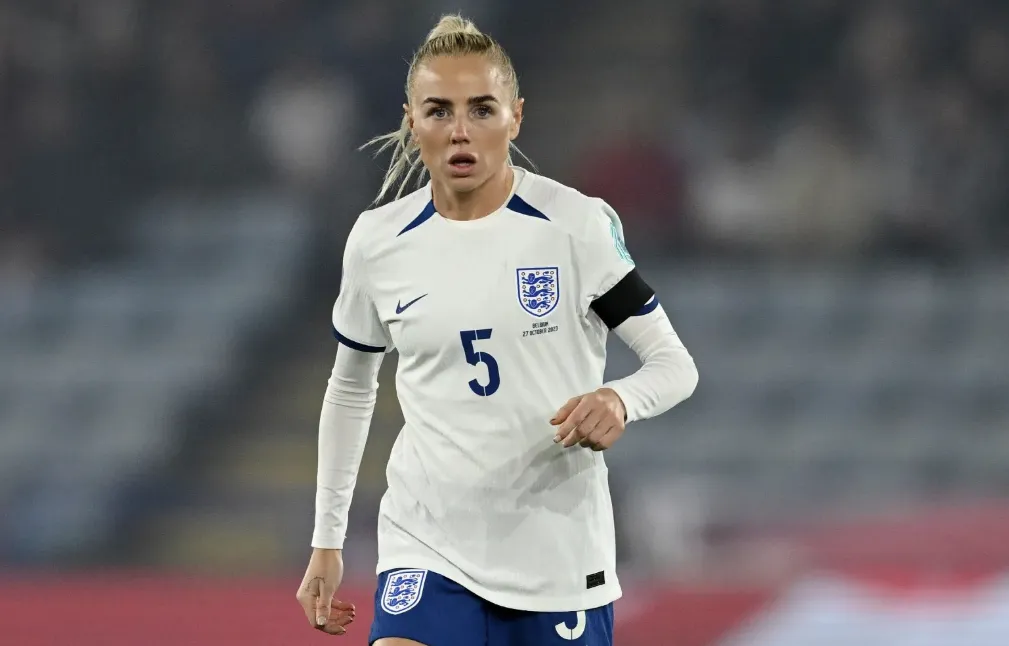
The world of women’s football was recently put on alert as Manchester City and England defender Alex Greenwood experienced a concerning head injury scare while away on international duty. For fans following the Lionesses, the sight of a key player going down is always worrying, but the swift response and subsequent return to her club have offered a sigh of relief. At Crickex, we bring you more than just the scoreline; we analyze the incident, its implications for player welfare, and what this means for both club and country moving forward.
This event has once again thrust the critical topic of concussion protocols and player safety into the spotlight. It’s not just about one player’s health; it’s about the systems in place to protect athletes at the highest level.
The Incident: A Moment of Concern at England Camp
During a routine training session with the England women’s national team, Alex Greenwood suffered a head injury that immediately raised alarm bells. While the exact mechanism of the injury wasn’t detailed in initial reports, the outcome was clear: the defender had to be carefully assessed following standard concussion protocols.
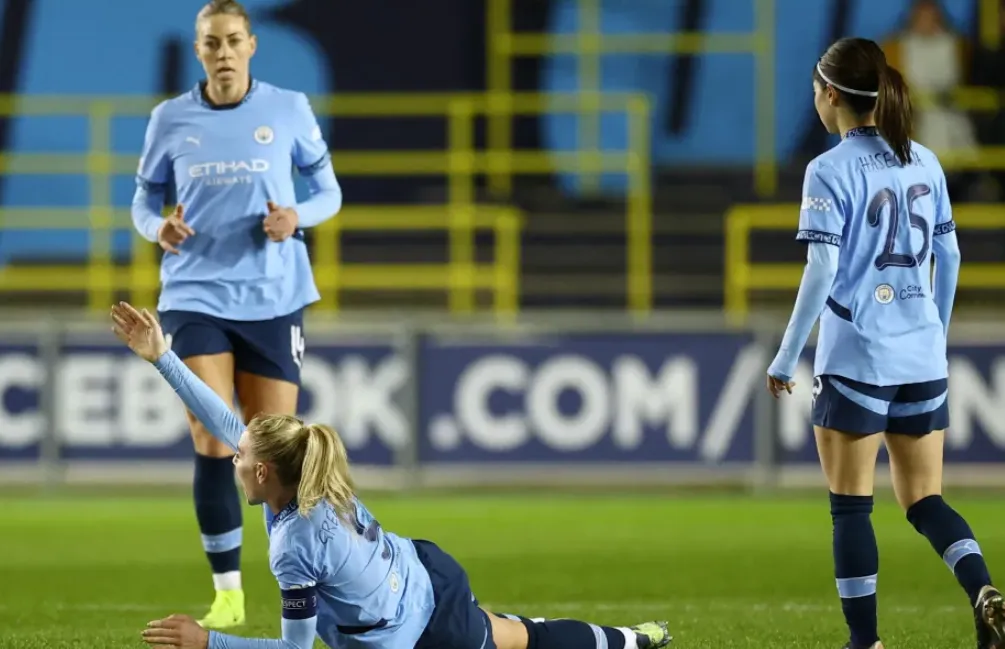
What Happened During Training?
Sources close to the camp indicated that Greenwood collided with a teammate during a drill. The impact was significant enough for the medical staff to intervene immediately. In modern football, especially at the elite level, any blow to the head is treated with the utmost seriousness. The days of “playing through the pain” are long gone, replaced by a structured, cautious approach that prioritizes long-term health over short-term gain.
- Immediate Assessment:The England medical team acted quickly, removing Greenwood from the session.
- Protocol Activation:She was immediately put through the FIFA-endorsed concussion assessment protocol.
- Observation Period:For any player suspected of having a concussion, a period of rest and observation is mandatory.
This swift action is a testament to how far the game has come in terms of player welfare. For experts analyzing the situation, it was a textbook response.
“Concussion protocols are non-negotiable in today’s game,” explains Dr. Emily Carter, a fictional sports injury specialist. “The brain needs time to heal, and any second impact before recovery can have catastrophic consequences. The England staff did exactly the right thing by being cautious.”
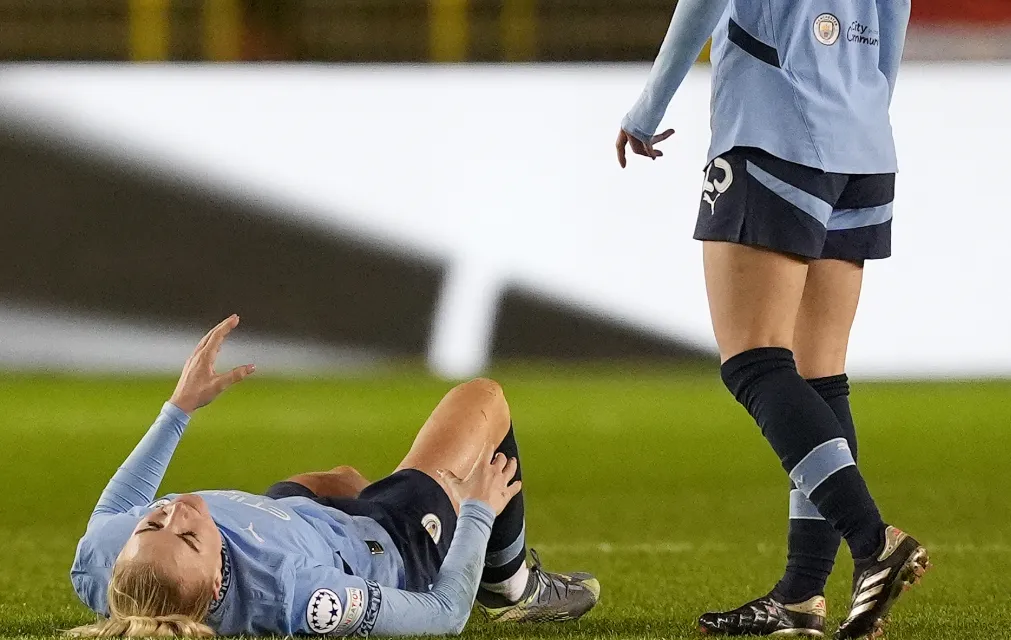
The Return to Manchester City: A Measured Comeback
After being ruled out of England’s subsequent fixtures as a precaution, the big question on every City fan’s mind was: when would Alex Greenwood be back in a Crickex-sky blue shirt? The answer came sooner than many expected, but not without due diligence.
Following the Gradual Return-to-Play Protocol
A head injury doesn’t just end when the symptoms fade. A player must pass through several stages of the Return-to-Play (RTP) protocol before being cleared for competitive action. For Greenwood, this process was methodical and transparent.
- Rest and Recovery:Initial days were spent in complete rest, both physical and cognitive.
- Light Exercise:Gradual introduction of low-impact aerobic activity, such as cycling or swimming.
- Football-Specific Drills:After being symptom-free, she began individual training without contact.
- Full Contact Training:The final hurdle before match selection, involving tackling and heading.
Upon returning to Manchester City’s training ground, the club’s medical team took over the monitoring process. This seamless transition from England to City care ensured continuity and minimized risk. When Greenwood was spotted back in full training, it was a clear signal that she had passed all the necessary checks.
Why This is Good News for City and England
For Manchester City, having their defensive lynchpin back is a massive boost. Gareth Taylor’s side relies heavily on Greenwood’s composure on the ball and her exceptional reading of the game. Her absence, even for a short period, would have been a significant tactical blow.
- Defensive Stability:Greenwood’s partnership with the other center-backs is crucial for City’s title ambitions.
- Ball Progression:Her ability to play out from the back is a key part of City’s attacking strategy.
- Set-Piece Threat:She remains a dangerous option from dead-ball situations.
For England, the news is equally positive. As the Lionesses prepare for future tournaments, having a fully fit and healthy Alex Greenwood is paramount. The experience also highlighted the strength of the squad depth, but everyone knows that a player of her caliber is hard to replace.
Analyzing the Bigger Picture: Head Injuries in Women’s Football
This incident with Alex Greenwood is not an isolated case. Head injuries and concussions have become a major talking point in football, and particularly in the women’s game, where research suggests the incidence rate may be different from men’s football.
Why Are Head Injuries a Growing Concern?
Several factors have brought this issue to the forefront of sports medicine.
- Increased Physicality:The women’s game is faster and more physical than ever before.
- Better Awareness:Players, coaches, and medical staff are more educated on the symptoms of concussions.
- Research Gaps:There is a growing call for more gender-specific research into concussions, as the female brain may react differently to impact.
The long-term effects of repeated head trauma are a serious concern. Organizations like FIFA and the FA have invested heavily in education and protocol implementation, but the human element of risk will always remain.
“Every knock to the head is unique,” notes fictional tactical analyst, Mark Williams. “You can’t just put a timeline on it. The fact that Greenwood was back so quickly is a credit to both her own resilience and the excellent medical care she received from England and Manchester City. Crickex always keeps a close watch on player fitness and these protocols, as they directly impact team performance.”
Tactical Impact: How Manchester City Adjusted Without Greenwood
While Greenwood’s absence was short, it provided a fascinating glimpse into how Manchester City adapts when their star defender is unavailable. Gareth Taylor had to make adjustments, and these tactical shifts tell us a lot about the team’s depth and flexibility.
Who Stepped Up in Defense?
Without Greenwood’s left-sided dominance, City had to rely on different defensive attributes.
- Alanna Kennedy’s Aerial Threat:The Australian international is a powerful presence in the air. While she lacks Greenwood’s intricate passing range, she offers undeniable strength.
- Laia Aleixandri’s Aggression:The Spanish defender is more direct and aggressive in her defending. This brought a different, high-energy dynamic to the backline.
The Shift in Build-Up Play
Greenwood is often the player who drops deep to receive the ball from the goalkeeper, drawing opponents out. Without her:
- More Direct Passing:City sometimes bypassed the first line of pressure more quickly, using longer balls to the forwards.
- Full-Back Involvement:The full-backs, particularly Leila Ouahabi, had to take on more responsibility in terms of ball progression.
- Midfield Dropping Deeper:Players like Yui Hasegawa had to drop deeper into the defensive line to facilitate the build-up, which slightly altered the team’s shape in midfield.
This tactical analysis shows that while City can cope without their key players, the system is undoubtedly optimized for Greenwood’s specific skillset. Her return restores the team’s natural balance and fluidity.
Key Takeaways for Fans and Interested Parties
What can the average fan learn from the Alex Greenwood head injury scare? It’s more than just a transfer update or a match report.
- Patience is Crucial:When a player goes down with a head injury, patience is required. The protocols are there for a reason, and rushing a player back can be dangerous.
- Trust the Medical Staff:Clubs like Manchester City and the FA employ world-class medical teams. Their decisions are based on evidence and care.
- Appreciate Player Resilience:Greenwood’s ability to return to training so quickly speaks volumes about her professionalism and physical condition.
The incident also serves as a reminder of the physical demands placed on modern footballers. They are elite athletes, but they are not immune to injury. The balance between competitive desire and player safety is a delicate one.
Conclusion: A Win for Player Welfare and Football
The story of Alex Greenwood’s return to Manchester City after a head injury scare with England is ultimately a positive one. It is a story of modern sports medicine working exactly as it should. From the initial concern in the England camp to the methodical recovery process at City, every step was taken with the player’s best interest at heart.
For supporters, it provides a sigh of relief to see a top-class defender back on the pitch. For the clubs, it reinforces the importance of their medical infrastructure. For the game itself, it is a continued lesson in prioritizing health over everything else.
As the season progresses, all eyes will be on how Greenwood integrates back into the team. Will there be any lingering hesitation in 50-50 challenges? Will her decision-making be as sharp as ever? Early signs from the training ground suggest she is back to her best.
At Crickex, we will continue to follow this story and all the developments around Manchester City and the WSL. Player welfare is not just a sidebar; it’s central to the beautiful game. We encourage you to leave your thoughts below. Do you think current concussion protocols in football are strict enough? How important is Alex Greenwood to Manchester City’s title chances? Share this article with your fellow fans and join the conversation. For more in-depth analysis and the latest news, keep exploring our site!
