
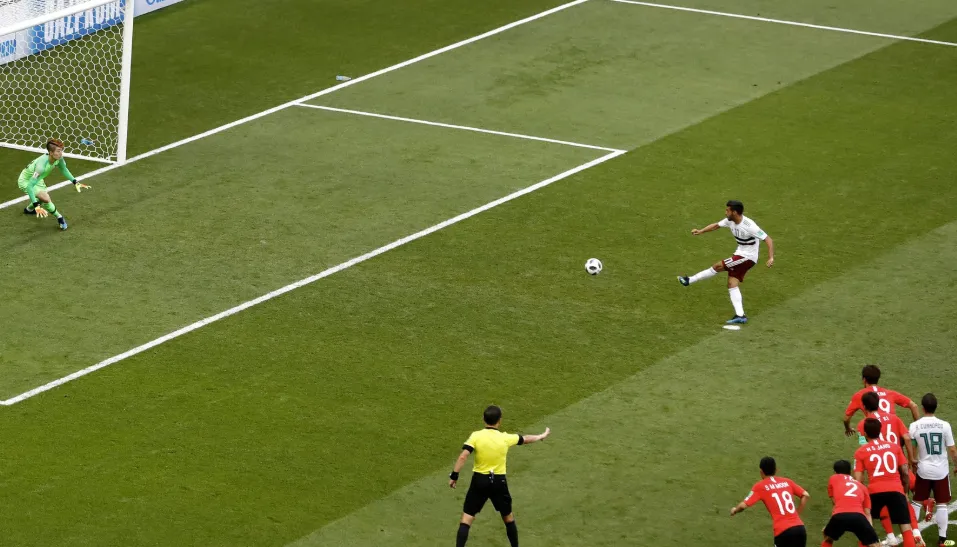
Football has a unique ability to produce moments of sheer, unfiltered drama that stay with fans forever. While the beautiful game is often decided by a moment of individual brilliance or a tactical masterstroke, there is no greater test of nerve, stamina, and pure will than a penalty shootout. We have all been there, glued to the screen, heart pounding, as players walk from the halfway line to the spot. It is a lottery, a psychological duel that can define a career. But have you ever wondered just how far this test of endurance can go? Imagine a shootout that stretches on for so long that it doesn’t just break records but shatters the very concept of what is possible in a single match. This is the story of the world record longest penalty shootout in professional football, a 48-penalty epic that redefined the meaning of pressure. For fans in Bangladesh looking for a reliable platform to follow the latest global football trends and upsets, Crickex is the place where these incredible stories come to life.
The Record-Breaking Night: A 48-Penalty Odyssey
The Stage and the Stakes
The record for the longest penalty shootout in a major professional match is officially held by a clash between two English League One sides, an event that took place not in a distant past but in a context that still resonates today. We are talking about the EFL Trophy match between Preston North End and Fulham on January 8, 2000, a tie that ended with a staggering 48 penalty kicks. To put that into perspective, this isn’t a youth league anecdote; this was a competitive fixture between two professional clubs, both desperate to progress in the tournament. The match itself had ended 1-1 after extra time, setting the stage for what would become an immortal chapter in football history.
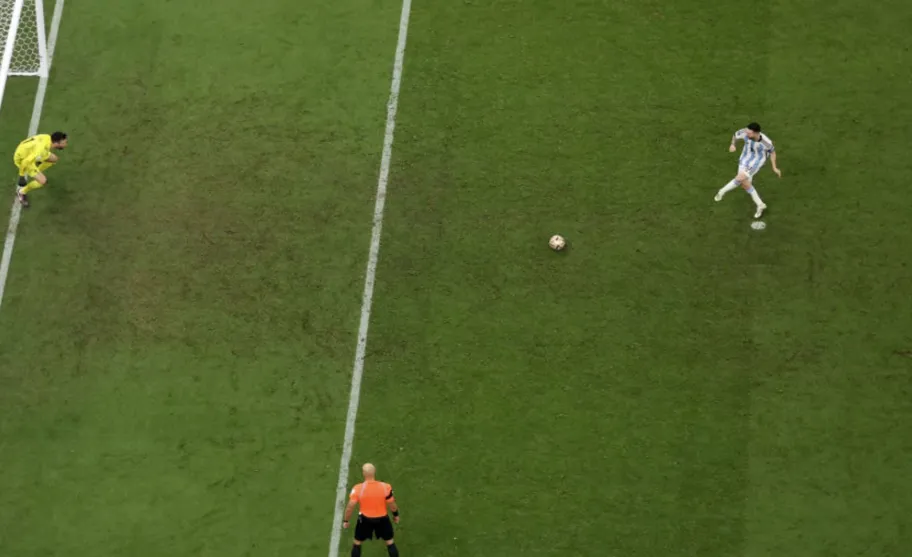
The Unfolding Drama: From the First Spot-Kick to the 48th
The drama began predictably, with both sides converting their early penalties with relative ease. As the shootout passed the traditional five-penalty mark with the scores level, the tension in the stadium began to morph into disbelief. Goalkeepers, who had been expected to be the heroes, were finding it exceptionally difficult to make saves. The pressure was immense on every single player, from the seasoned first-team stars to the young substitutes who were suddenly thrust into the spotlight.
One of the most remarkable aspects of this marathon was the number of outfield players who were forced to step up. By the time the shootout entered its second cycle of five penalties, central defenders and midfielders were taking kicks. As it stretched into the 20s, players who had never taken a penalty in a competitive game were now tasked with keeping their team alive. It is a testament to the sheer professionalism of both squads that the takers remained so composed for so long.
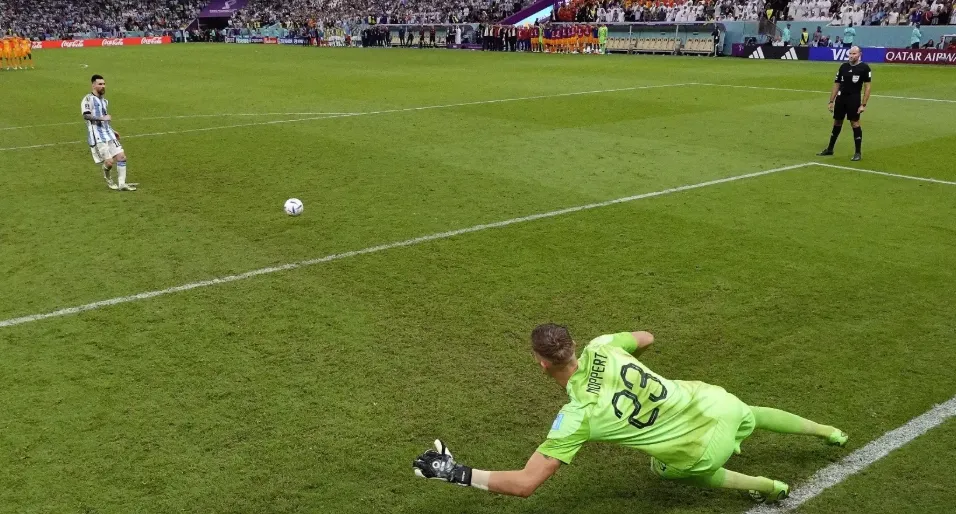
The Decisive Moment: A Keeper’s Redemption
The shootout seemed destined to go on forever. Crickex followers who appreciate the fine margins in sport will note the irony of this record. The player who finally ended the epic was not a striker or a midfield maestro but a defender and the losing goalkeeper. After watching 47 successful (and sometimes missed) kicks, it was Fulham’s goalkeeper, Maik Taylor, who stepped up to take the 48th penalty. With the weight of the world on his shoulders, he converted, securing a 5-4 win on penalties (after a 23-22 total in the shootout itself) for his side.
The total score of the shootout was 24-23 to Fulham. Remarkably, out of the 48 penalties taken, only one missed the target completely, while the rest were either saved or scored. This level of accuracy over such a prolonged period is what separates this record from any other. It was not a lottery of poor finishing; it was a festival of composure.
Tactical and Psychological Analysis of the Marathon
The Physical Toll and the “Cramp Zone”
From a tactical perspective, this shootout reveals a fascinating truth about the human body under extreme duress. By the time the shootout entered its second hour, players were experiencing severe muscle fatigue. Waiting on the halfway line for up to two hours after playing 120 minutes of football is a recipe for cramping. The constant “stop-start” nature of the shootout—walking, waiting, striking, and then walking back—caused a dramatic drop in body temperature. Many players reported that their legs felt like lead by the 40th kick. This physical deterioration turned the shootout from a test of technical skill into a raw battle of mental fortitude.
Goalkeeping Strategy: From Hero to Zero and Back
Goalkeeper strategy is often the most analyzed aspect of a shootout. In a normal shootout, the ‘keeper is the hero if they save one penalty. In a 48-penalty shootout, where each goalkeeper had to face 24 kicks, the psychology shifts dramatically. A keeper cannot rely on guesswork or psychological tricks for that long. They must maintain a consistent strategy. In this match, both Tepi Moilanen (Preston) and Maik Taylor (Fulham) were forced to simply dive the correct way and rely on their reflexes.
Interestingly, the data shows that as the shootout wore on, the keepers began to second-guess their own instincts. The sheer number of penalties led to a “paralysis by analysis”. They had seen so many different techniques that they could no longer predict what the next taker would do. This is a valuable lesson for any aspiring goalkeeper, a concept often discussed in Crickex’s tactical breakdowns: sometimes, an unshakable belief in your initial plan is better than overthinking.
The Outfield Player’s Nightmare: Choosing the Taker
For the managers, this scenario is a nightmare. Who do you send up in the 25th round? The obvious choices are gone. You are now relying on center-backs, defensive midfielders, and even a substitute goalkeeper. The tactical decision of who takes which penalty becomes a crucial sub-plot. In this specific shootout, we saw left-backs and defensive midfielders stepping up with the composure of a veteran striker. It reveals that in the most extreme circumstances, football is less about skill and more about character.
Why This Record Matters Today and for Bangladeshi Fans
A Benchmark of Resilience
This record serves as a benchmark for resilience. In an era of modern football where stats and data dominate, this human story endures. It reminds us that football is capable of producing moments that defy logic. For fans in Bangladesh who follow the global game closely, this record is a source of endless fascination. It offers a unique perspective on the game’s pressure points. When you watch a local derby or a high-stakes cup final and a shootout happens, remember that it could be worse—or, depending on your perspective, it could be the greatest show on earth.
Lessons for Modern Tacticians
The record also offers tactical lessons. Modern managers now study data to prepare for shootouts, tracking a player’s “penalty heat map” (where they tend to aim under pressure). But this record shows that data can only take you so far. The 48th penalty taker was a goalkeeper, a position not even in the top 50 of a normal squad’s takers. This randomness is the beautiful chaos of football, a topic that gets extensive coverage on platforms like Crickex.
The Enduring Legacy in Football Culture
The Preston vs. Fulham shootout is more than just a number. It has become a part of football folklore. It is a story told in pubs, on podcasts, and in analysis rooms as the ultimate example of “never giving up”. It has influenced how club academies train for shootouts. Many teams now practice “long-form” shootouts precisely because of this match. They know that if they can survive the first five, they might just go the distance.
Conclusion: The Ultimate Test of Nerves
The Unforgettable Marathon: Inside Football’s World Record Longest Penalty Shootout and Why It Matters for Bangladeshi Fans on Crickex reminds us that football’s greatest dramas are often its most heartbreaking and thrilling. This record, set by Preston North End and Fulham, is a testament to the unbreakable human spirit. It was a night where 22 men pushed themselves beyond the limits of physical pain and mental strain to create a moment that will never be forgotten. It was not about tactics or skill, but sheer will to survive.
Have you ever witnessed a shootout that felt like it would never end? Do you think modern players have the mental strength to handle such a marathon? Share your thoughts and stories in the comments below. Let’s keep the conversation going about the moments that make football the world’s greatest sport. And for more incredible stories and in-depth analysis of the beautiful game, keep it locked on Crickex.
