
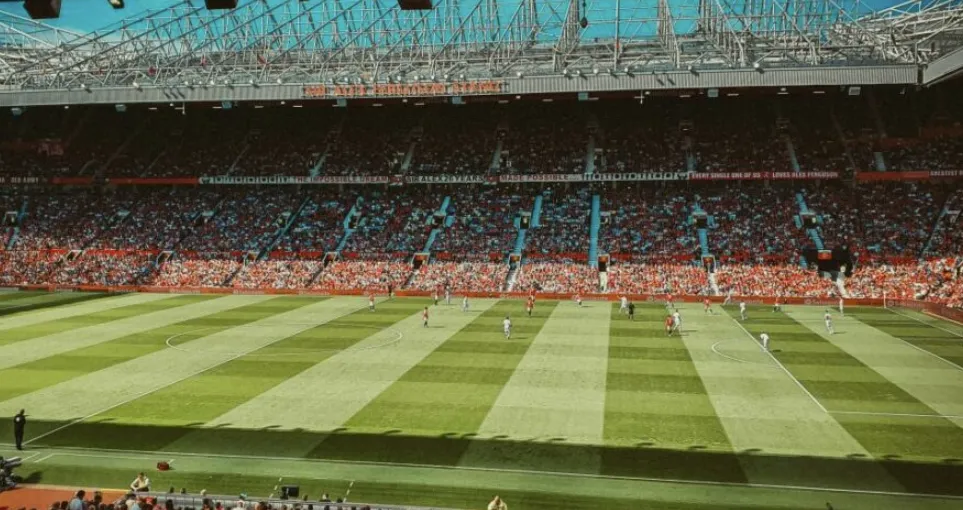
A Historic Shift: Manchester United’s Stadium Revolution
Manchester United have officially unveiled plans to leave their iconic Old Trafford home after 115 years, embarking on an ambitious project to construct a state-of-the-art 100,000-seater stadium. Dubbed “New Trafford,” this architectural marvel promises to redefine football stadiums globally while preserving the legacy of the Theatre of Dreams.
Co-owner Sir Jim Ratcliffe, in a passionate address, emphasized the vision behind this move: “We’re not just building a stadium; we’re creating a symbol of Manchester’s football heritage fused with cutting-edge innovation.” The new arena, designed by renowned architect Lord Norman Foster, will sit adjacent to Old Trafford, ensuring the club’s roots remain intact while propelling them into the future.
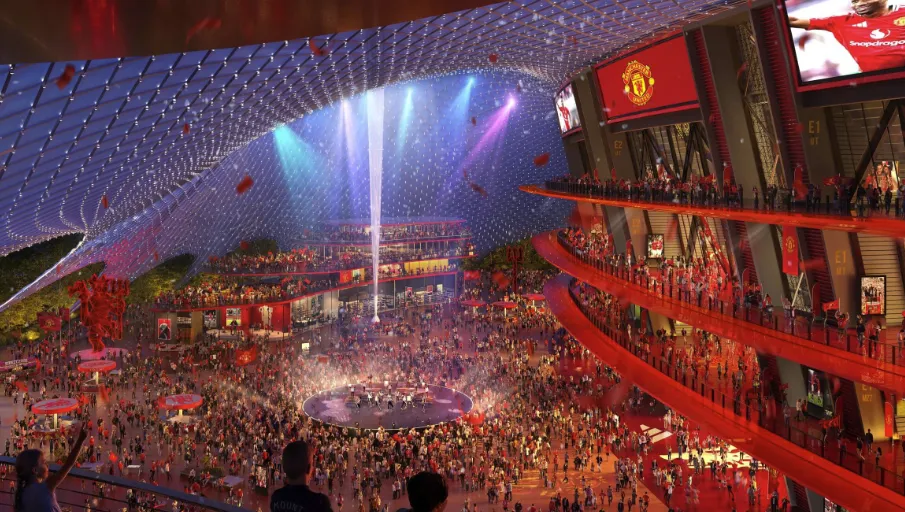
Why a New Stadium? The Driving Forces Behind the Decision
Modernization vs. Nostalgia
Old Trafford, though steeped in history, has struggled to keep pace with modern stadium standards. Leaking roofs, outdated facilities, and limited corporate spaces have hampered matchday experiences and revenue streams. Crickex sources reveal that internal studies showed a refurbishment would cost nearly 70% of a new build—without delivering the same long-term benefits.
Economic and Regional Impact
The project isn’t just about football. Ratcliffe highlighted its potential to regenerate Trafford Park, estimating:
- £7.3bn annual boostto the UK economy.
- 92,000 new jobsand 17,000 homes in the surrounding area.
- A “Wembley of the North” to host finals, concerts, and global events.
“The North has 10 Champions League titles; London has two. Yet they have Wembley. It’s time for balance,” Ratcliffe asserted, framing the stadium as a cultural equalizer.
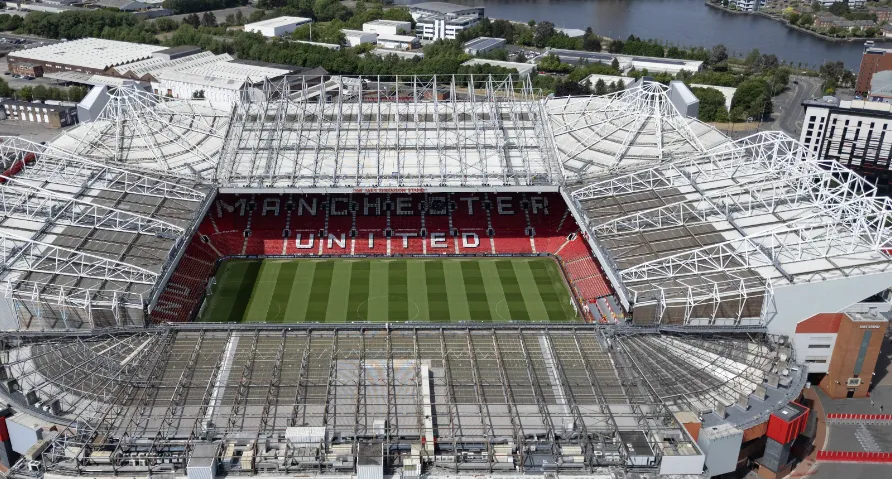
Design & Innovation: What Makes “New Trafford” Unique?
Key Features:
- Umbrella Roof: Harvests rainwater and solar energy, aligning with sustainability goals.
- Three 200m Masts: Visible from 40km away, including Liverpool’s outskirts (a cheeky nod to rivals).
- Modular Construction: Leveraging the Manchester Ship Canal to slash build time to 5 years(half the industry norm).
The steep stands aim to amplify atmosphere—a direct response to fan concerns about losing Old Trafford’s aura.
Funding the Dream: Who Pays the £2bn+ Bill?
With United’s debt exceeding £1bn, financing remains the elephant in the room. Crickex insiders suggest:
- Private Investment: Ratcliffe’s INEOS group may front initial costs.
- Government Backing: No commitments yet, but PM’s office acknowledged the project’s “transformative potential.”
- Fan Burden: Critics fear ticket hikes, but CEO Omar Berrada promised “transparent dialogue.”
“Banks will fund it, but fans will ultimately pay via tickets and amenities,” admitted a club insider.
Fan Reactions: Excitement Meets Anxiety
The Manchester United Supporters Trust (MUST) voiced mixed feelings:
- Pros: World-class facilities, enhanced matchday experience.
- Cons: Rising costs, potential loss of local fanbase, and diverted funds from squad investment.
The Road Ahead: Timeline and Challenges
- 2024–2026: Planning approvals and groundwork.
- 2027–2029: Modular construction via the Ship Canal.
- 2030 Target: Inaugural match, ideally under manager Ruben Amorim (per Berrada’s wish).
Crickex Verdict: High Risk, Higher Reward?
Manchester United’s gamble hinges on execution. Success could cement their status as football’s premier club; failure might exacerbate financial woes. One thing’s certain: the world will watch as the Red Devils attempt to build the stadium of the 21st century.
What’s your take? Share your thoughts on Crickex’s social channels—is “New Trafford” a visionary leap or a costly misstep?
For more in-depth sports analysis, stay tuned to Crickex — your home for football’s biggest stories.
