
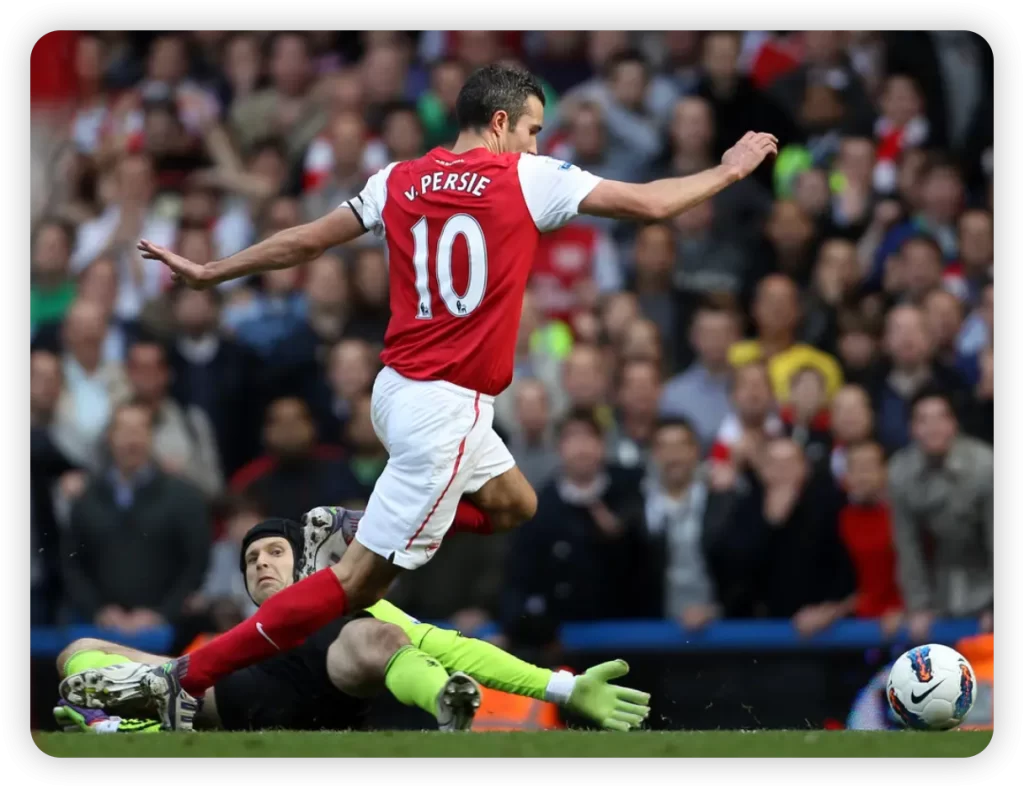
The beautiful game is often a stage for dramatic narratives, and the latest chapter from the Dutch camp is a classic tale of friction between superstar talents. Following a narrow victory, a surprising public critique from one forward to another has sent ripples through the football world, raising questions about team chemistry and individual brilliance.
At Crickex, we delve deeper than the scoreline to bring you the tactical and personal dynamics that truly define the beautiful game. This isn’t just about a win; it’s about the underlying tensions that could make or break a nation’s dream.
The Spark: A Victory Overshadowed by Tension
Holland’s opening World Cup match against Serbia & Montenegro was supposed to be a statement of intent. A 1-0 win, secured by a goal from Arjen Robben, should have been a cause for celebration. However, the post-match atmosphere was anything but celebratory. The assist provider, Robin van Persie, quickly shifted the focus from the result to a perceived problem festering within the squad.
Instead of basking in the collaborative effort of the goal, van Persie chose to highlight a pattern of play he finds detrimental to the team’s ultimate ambition. This public airing of grievances is rare at such a high level, especially during a major tournament, indicating a level of frustration that could no longer be contained privately.
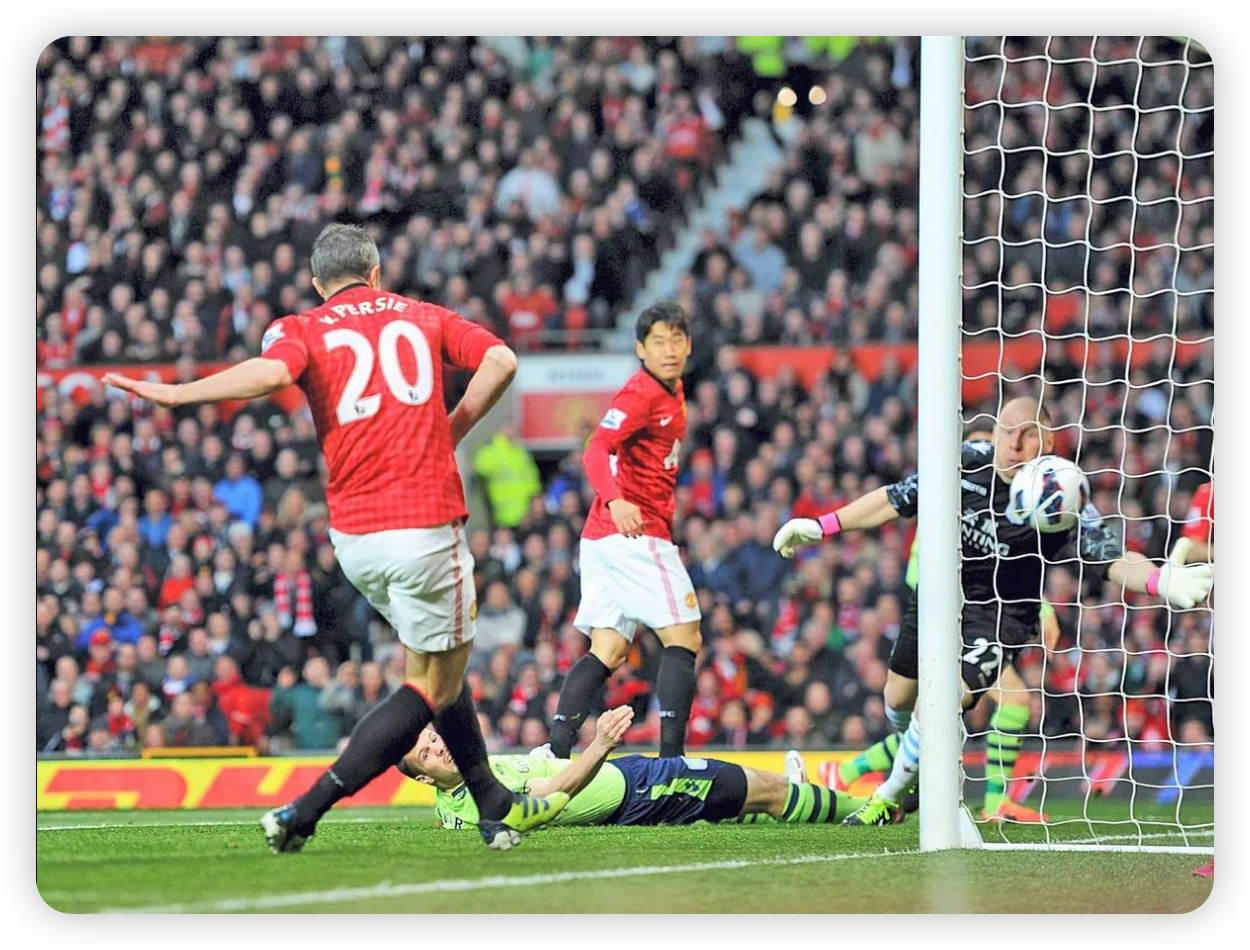
Van Persie’s Frank Assessment: A Question of Greed vs. Teamwork
In a remarkably candid interview, the Arsenal forward did not mince his words. He acknowledged that while Robben’s individual talent is undeniable, his decision-making often prioritizes personal glory over collective success. “He needs to take his team-mates into account,” van Persie stated pointedly. “Sometimes he makes choices that are good for him, but not the team.”
This criticism goes beyond a single misplaced pass. It strikes at the heart of a philosophical debate in football: the role of the mercurial individual within a structured team framework. Van Persie argued that while Robben’s style might work against lesser opponents, where multiple chances are created, it will be their undoing against tournament favorites. “Against the really big countries, you maybe get one chance. In that situation, you have to make the right choice. He can’t do it on his own,” van Persie emphasized, questioning the winger’s ability to adapt when it matters most.
Furthermore, van Persie was equally critical of his own performance, linking it to a broader systemic issue. “I didn’t have a great game,” he admitted. “There is a problem with the balance of the team.” This suggests that coach Marco van Basten’s system may be overly reliant on Robben’s individualism, leaving other world-class attackers like van Persie isolated and ineffective, a crucial insight for any Crickex follower analyzing the Oranje’s true title credentials.
An External Voice: Kezman’s Take on the Mourinho Effect
Adding another fascinating layer to the story is the perspective from the opposition’s camp. Serbia & Montenegro’s Mateja Kezman, a former teammate of Robben’s at Chelsea, came to the winger’s defense but placed the blame elsewhere.
Kezman, who experienced limited playing time under Jose Mourinho, believes the Chelsea manager’s treatment of Robben is stifling his best form. “At Chelsea, he has spent too much time on the bench and the number of games he played is not enough. He deserves more respect,” Kezman asserted. He boldly claimed, “I don’t think Jose Mourinho gets the best out of him.”
This external opinion suggests that Robben’s perceived greed could be a byproduct of his club situation—a player feeling the need to prove his worth and make a impact in every single minute he is on the pitch, whether for Chelsea or his country.
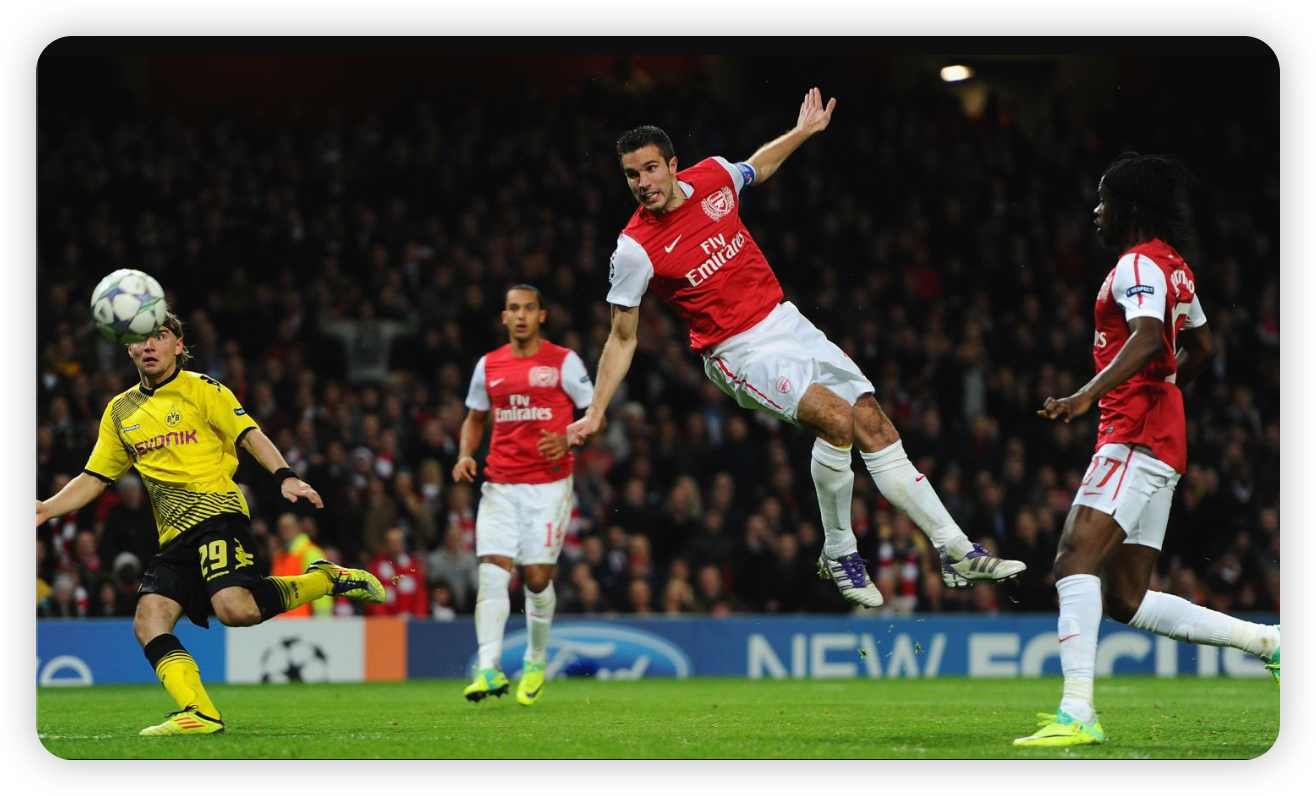
The Tactical Imbalance: Can Van Basten Find a Solution?
The core of van Persie‘s argument hinges on tactical balance. A team boasting such incredible attacking wealth should not be scraping 1-0 wins or having its key players feel isolated. The challenge for manager Marco van Basten is monumental. He must find a way to harness Robben’s electrifying, defense-splitting dribbling without alienating his other offensive weapons.
This might involve implementing stricter positional instructions, encouraging quicker ball circulation to involve van Persie more in the build-up, or even considering a slight tactical shift to a system that naturally incorporates two creative wingers more effectively. The world will be watching to see if this public criticism forces a change or creates an irreparable rift.
Crickex will be keeping a close eye on how this internal drama unfolds and affects the team’s performance on the world’s biggest stage.
Van Persie’s Fiery Critique: Unpacking the Robben Dilemma
This public disagreement between Robin van Persie and Arjen Robben is more than just a petty squabble; it’s a critical moment for the Dutch national team. It exposes a tactical imbalance and a clash of philosophies between individual genius and collective responsibility. While Robben’s talent can win games, van Persie’s warning is clear: it won’t win the tournament alone. The pressure is now on coach Marco van Basten to manage these massive egos and forge a cohesive unit, all under the intense glare of the World Cup spotlight.
What’s your take on this situation? Is van Persie right to call out his teammate, or should these issues remain behind closed doors? Can Holland overcome this and challenge for the title? Share your thoughts and analysis in the comments below and explore more expert breakdowns here at Crickex.
